Rummy Tips: Verify Turn Order After a Reconnect
A connection drop can leave the screen out of sync with the table. The hand may have advanced, an opponent may have acted, or your previous action may already have been accepted. The safest response is to verify state before touching another control. Treat the first screen after reconnect as information to inspect, not an instruction to act immediately.
Start with the active-turn indicator. Confirm the player name or seat, the countdown state, and the latest public action. Compare the visible hand with what you remember, but do not rely on memory alone. Look for a status message showing whether your previous draw or discard was processed. If the app provides a move history, read the latest entries in order.
Check for duplicate risk. Do not tap draw again because the button is visible, and do not submit a second discard until the interface confirms that you are active. If the table appears frozen, wait for the service’s normal reconnect behavior or use the verified help route. Repeated taps can create a new action when you intended only to refresh the screen.
Once the state is clear, perform a compact hand check. Count the cards, identify any new visible information, and restore your sorting method. Note whether the table rules treat a timeout or reconnect specially. A short pause may cost less than an incorrect action, especially when the current turn is uncertain.
Record the incident afterward. Write the approximate turn, the message shown, and the action you took to recover. Do not include passwords, security codes, or unnecessary personal details. If you contact support, use the service’s official channel and share only the information needed to identify the technical problem.
The goal is continuity with verification. A reconnect is not automatically a loss or a disaster, but it is a moment when assumptions become unreliable. Build the check into your normal session routine and keep a stopping rule if repeated connection problems make deliberate play impossible.
Related Post
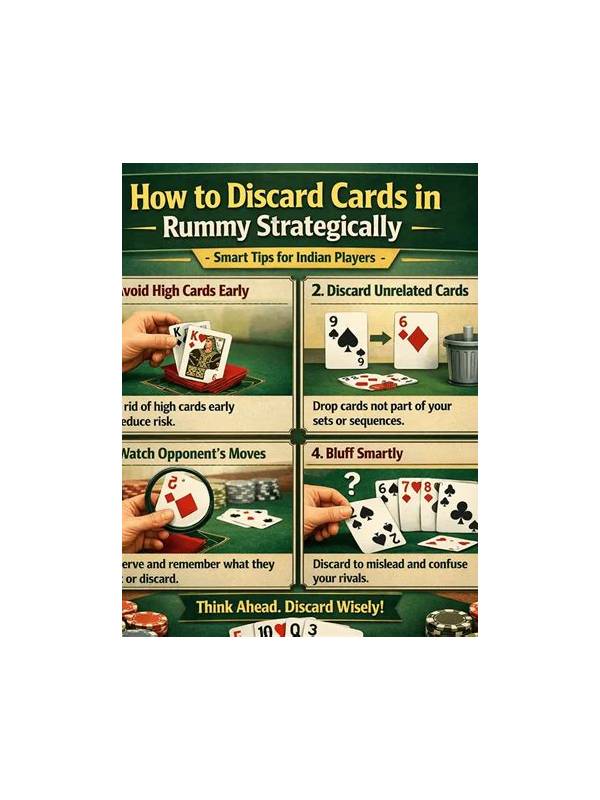
Rummy Guide: Evaluate a Discard by Your Next Two Turns
Use a short planning horizon to choose discards that preserve options without overthinking distant possibilities. [...]
Rummy Practice: Rehearse the Draw-and-Discard Sequence
A short rehearsal drill improves rummy decision order without requiring a live table. [...]