How to Use a Rummy Warm-Up Without Overplaying

A warm-up is meant to prepare your attention, not to turn into an unplanned marathon. Before joining a serious practice round or a social table, spend a few minutes checking the interface and recalling the key rules. Then stop the warm-up at the time you set.
Begin with a rules recall. Name the required pure sequence, the card values, the joker treatment, and the declaration procedure. If you cannot answer one of these, read the official help page before playing. Confusion at the table is a sign to learn, not a reason to make larger guesses.
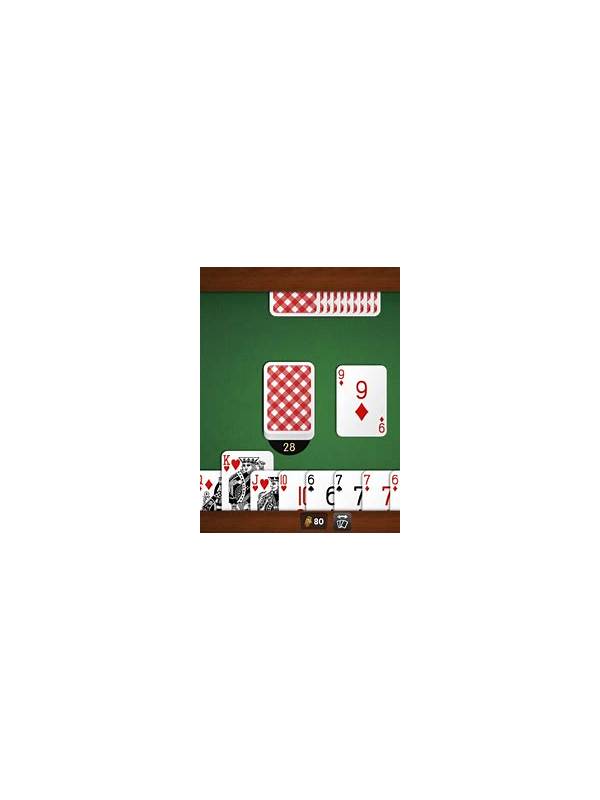
Next, sort a sample hand or use a free practice mode. Look for natural sequences, possible sets, and high-point singletons. Make one hypothetical discard and explain it. This exercise warms up pattern recognition without attaching emotion to a win or loss.
Check your physical and mental state. Are you rested enough to follow a timer? Is the device charged? Have you decided your time and spending limits? If you feel hurried, angry, or eager to recover a previous loss, postpone the session. A warm-up cannot fix a poor starting state.
Use a clear stopping signal. The warm-up might last ten minutes, one free hand, or a fixed number of drills. When it ends, reassess whether you still want to play. Do not treat a warm-up win as evidence that you should raise your table level. Confidence is useful only when it remains connected to the original plan.
After the session, note one observation and close the app if your limit has been reached. Avoid continuing simply because the warm-up made the game feel easy. Preparation should make choices calmer and boundaries easier to follow. The best warm-up is short, specific, and finished before it starts making decisions for you. n+Choose warm-up exercises that match the session ahead. If you will play a points format, rehearse point exposure and quick group checks. If you are teaching someone, practice explaining suits, ranks, and jokers in plain language. Keep the stakes at zero during preparation and do not count a free result as part of your financial record. When the warm-up exposes a rule gap or a concentration problem, treat that as useful information and stop until it is resolved. n+Write the stopping signal down so it remains clear after a successful drill. Preparation should end while attention is still fresh, leaving the actual game as a deliberate choice rather than an automatic continuation.
Related Post
Rummy Safety: Keep Breaks Independent of the Score
Scheduled breaks are more protective when they happen at a planned time rather than only [...]
Rummy Game History: What to Record for Your Own Review
A small, privacy-conscious game record can clarify patterns without requiring players to save sensitive account [...]