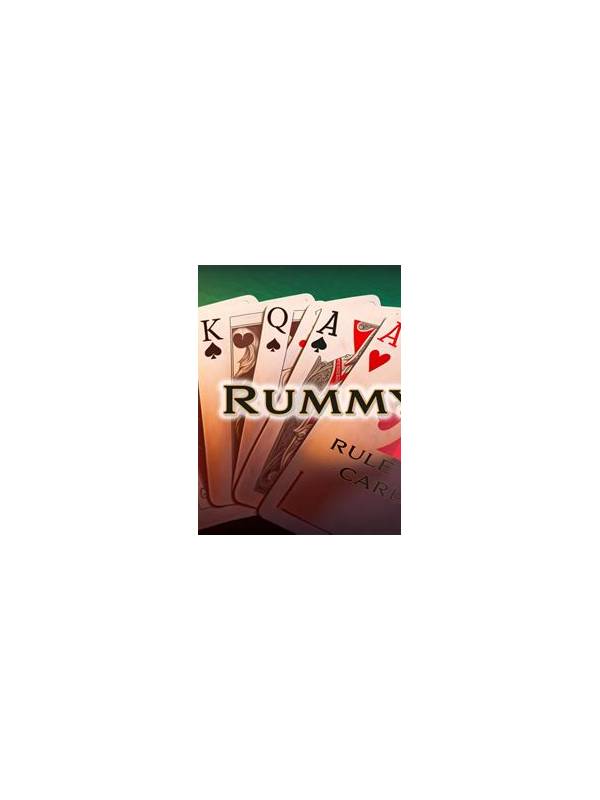
Rummy FAQ: Why Is the Best Draw Not Always the Best Keep? Rummy FAQ: Why Is the Best Draw Not Always the Best Keep?
A card can improve a hand temporarily yet remain a poor long-term holding when its role is narrow or costly. [...]
A card can improve a hand temporarily yet remain a poor long-term holding when its role is narrow or costly. [...]
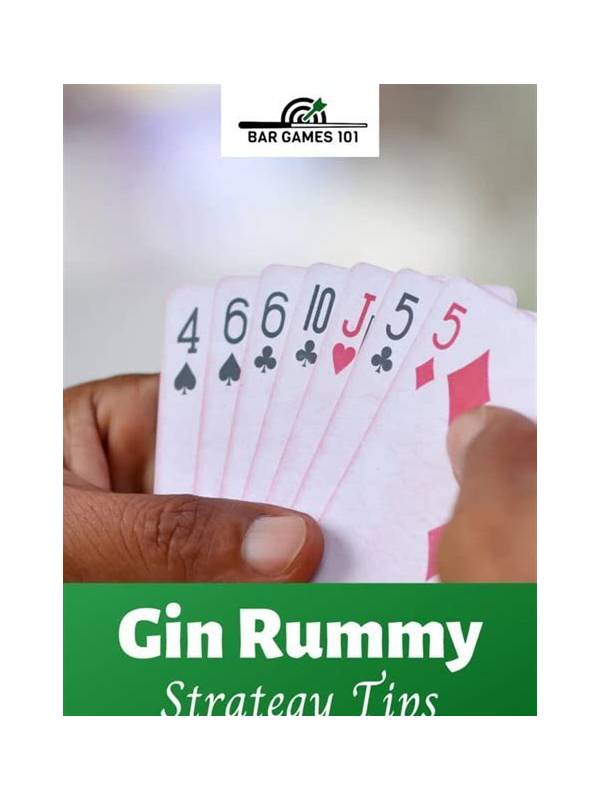
A replacement threshold tells you when a weak card has become too costly to keep compared with available alternatives. [...]

Reviewing app permissions and privacy settings before a session can reduce unnecessary exposure of personal information. [...]
An evidence ladder separates facts, reasonable inferences, and guesses so table information stays in proportion. [...]

Recognizing emotional rushing before a session helps protect time, money, and the quality of important decisions. [...]
Short review loops suit live decisions, while long reviews are better for studying patterns after a rummy round. [...]

Flexibility is useful only when a card’s possible connections support a realistic plan within the available time. [...]
A small second-look mark prevents uncertain cards from disappearing into a tidy but unexamined hand. [...]
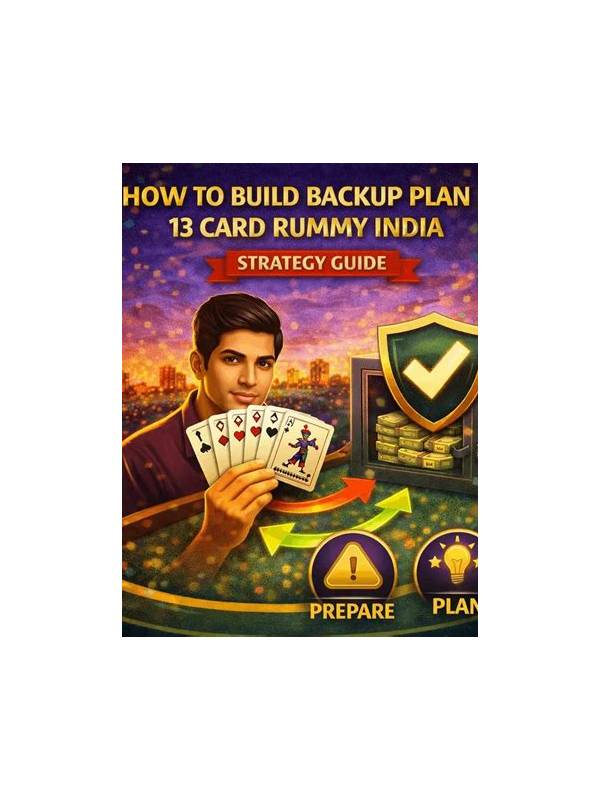
A repeatable draw-to-discard routine helps players process new information before choosing what to release. [...]
Comparing outcome-based review with decision-based review shows why a loss can still contain useful progress. [...]