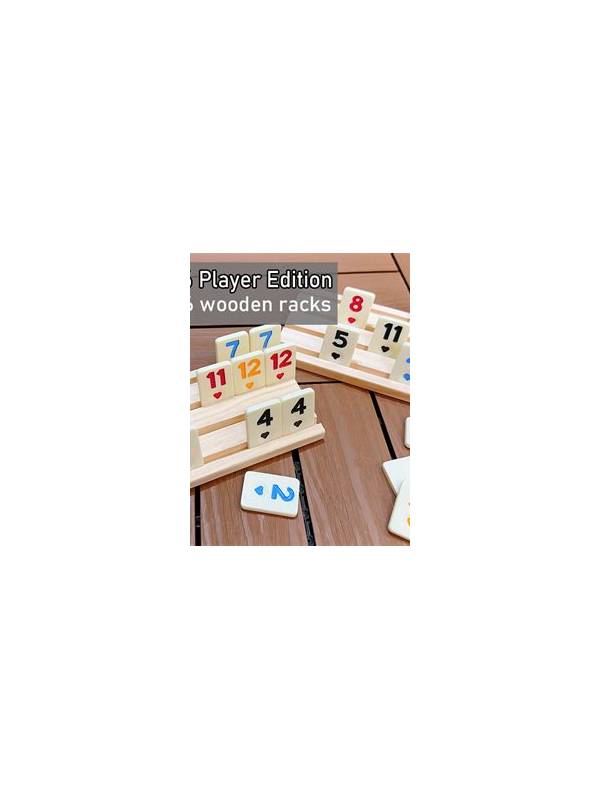
Rummy Strategy: Set a Replacement Threshold
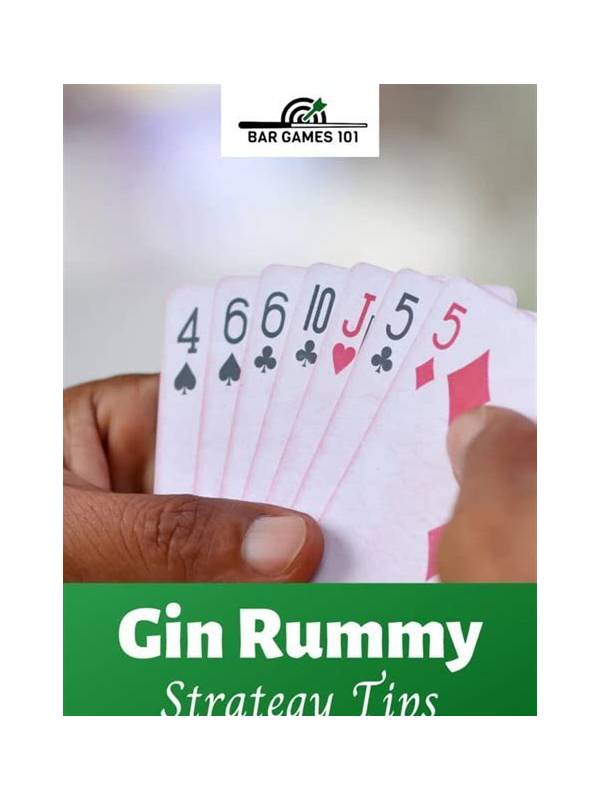
Players often keep a card because it once fit a plan. A replacement threshold creates a clear point at which that plan must be challenged. It does not predict the next card; it simply compares the current holding with the cost of waiting.
Choose the threshold using three factors: support, time, and penalty. Support means how many realistic routes the card still has. Time means how many useful draws remain before the hand becomes urgent. Penalty includes points, blocked space, exposure, and the chance that keeping the card prevents a legal structure. A card with weak support, little time, and high penalty has crossed the threshold.
Write the rule in observable terms. “Keep this connector until the next review if a neighbor remains available” is stronger than “keep it while it feels promising.” You may also use a two-review limit for speculative pairs or a final-three-turn rule for expensive loose cards. The exact threshold should fit the variant and your experience.
When the threshold is reached, compare the card with the best alternative discard. Do not discard it merely because the deadline arrived; the deadline starts a decision. If the card now completes a legal group, it may pass. If no alternative is clearly better, keep it temporarily but set a shorter next review. This prevents a rule from becoming automatic.
Thresholds are most useful when reviewed honestly after play. Did the card receive new evidence, or did you keep it because abandoning the original idea felt uncomfortable? A replacement threshold turns that emotional question into a structured comparison and makes hand management more disciplined.
Related Post

Rummy How-To: Create a Low-Stress Post-Game Review
A short, factual review can improve rummy decisions without turning a recreational hand into a [...]
Rummy FAQ: How Should a Beginner Read a Game Timer?
Understand what a countdown changes in your decision process and when to pause or leave. [...]