Rummy Comparison: Card Count Versus Connection Count Rummy Comparison: Card Count Versus Connection Count
Comparing raw card count with useful connections explains why a smaller-looking plan can sometimes be stronger. [...]
Comparing raw card count with useful connections explains why a smaller-looking plan can sometimes be stronger. [...]
A reversible discard is a choice that preserves several future plans and is easier to correct if the next draw changes the hand. [...]

Clear risk language makes rummy planning more honest by distinguishing a possibility, a preference, and a requirement. [...]

A quick table-state snapshot helps players separate visible facts from guesses before choosing a draw or discard. [...]

An exit checklist closes a session cleanly, protects account details, and reduces impulsive decisions after the final hand. [...]
A visually pleasing rummy arrangement is worth keeping only when it continues to support legal and flexible progress. [...]

Rearranging cards does not alter the deck, but it can change what you notice and therefore improve the next decision. [...]
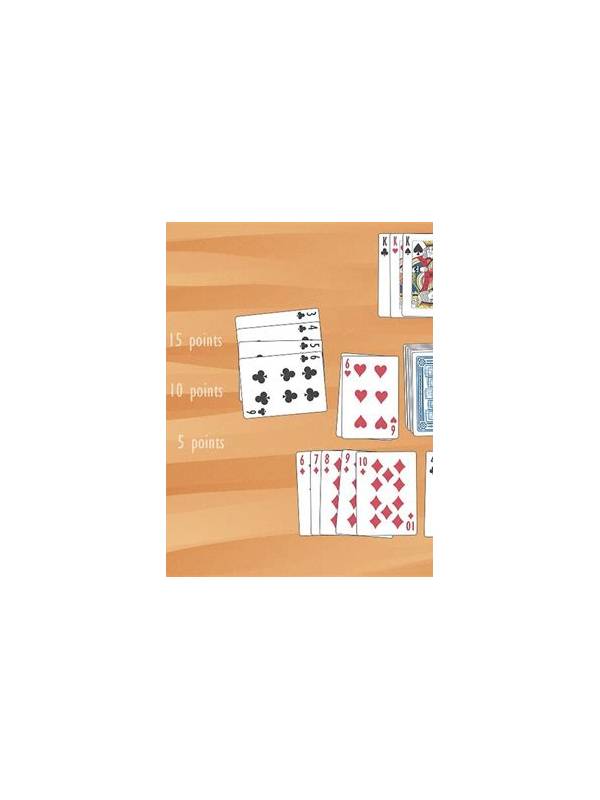
A planned commitment point helps you stop protecting every possibility and choose cleaner discards as the hand develops. [...]
Deck count changes the reliability of draws, the meaning of discards, and the value of narrow plans. [...]
Eligibility, location, and format rules can differ, so verify them before entering a table or making a payment. [...]