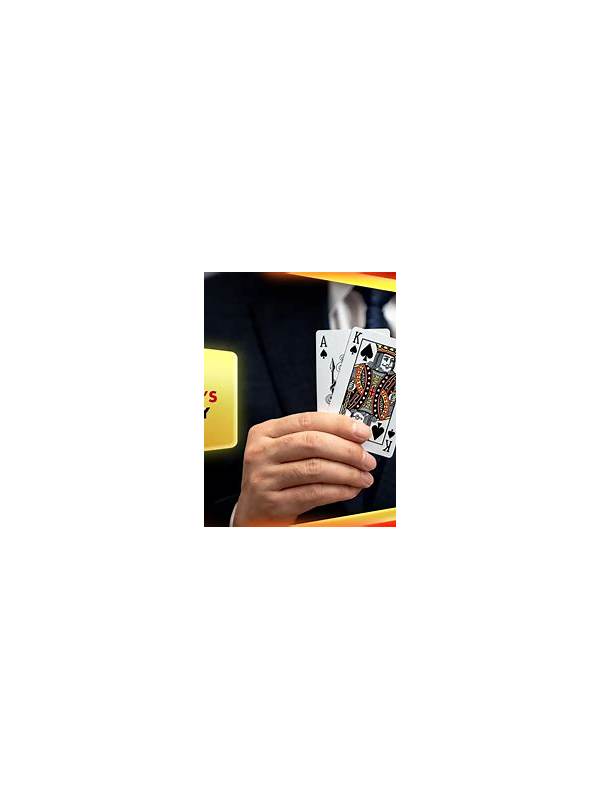
Rummy FAQ: Why Can Your Discard Help an Opponent? Rummy FAQ: Why Can Your Discard Help an Opponent?
A discard may improve an opponent’s hand, but avoiding every possible benefit would usually damage your own hand first. [...]
A discard may improve an opponent’s hand, but avoiding every possible benefit would usually damage your own hand first. [...]
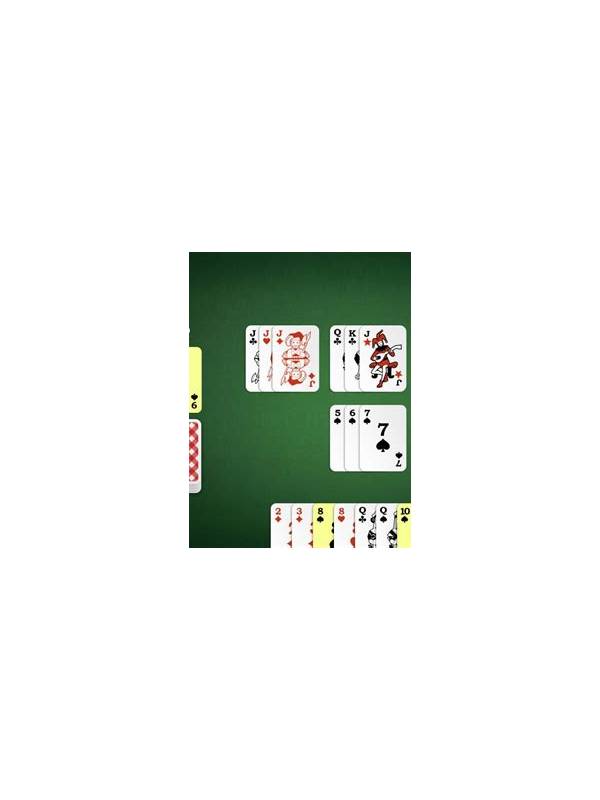
An opponent’s visible meld can remove possibilities and should trigger a measured update to your own plan. [...]
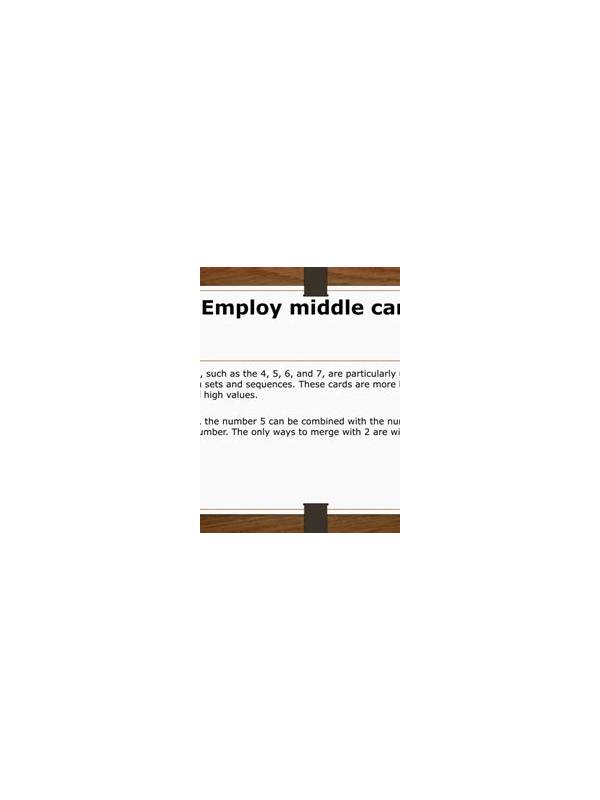
Middle-ranked cards can be flexible, but their value depends on suit, nearby cards, and realistic completion paths. [...]
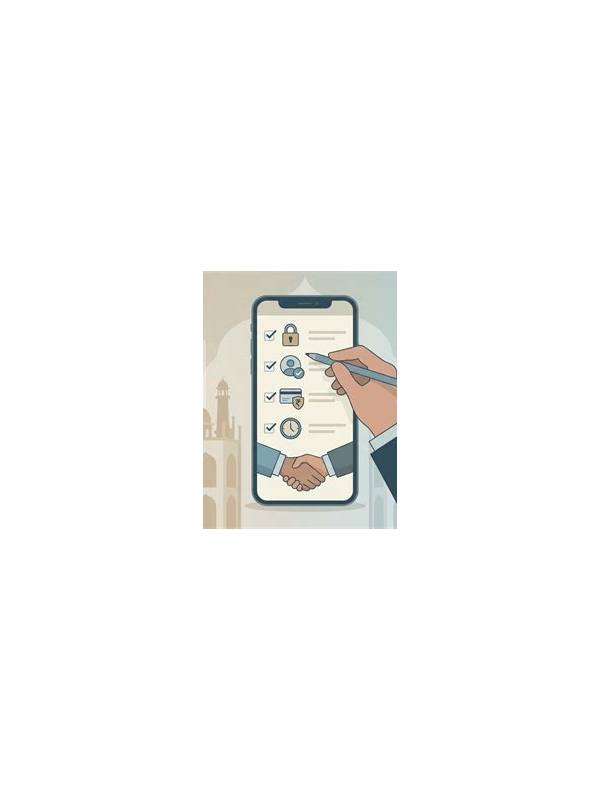
A deliberate break interrupts chasing behavior and gives you time to decide whether continuing still fits your limits. [...]
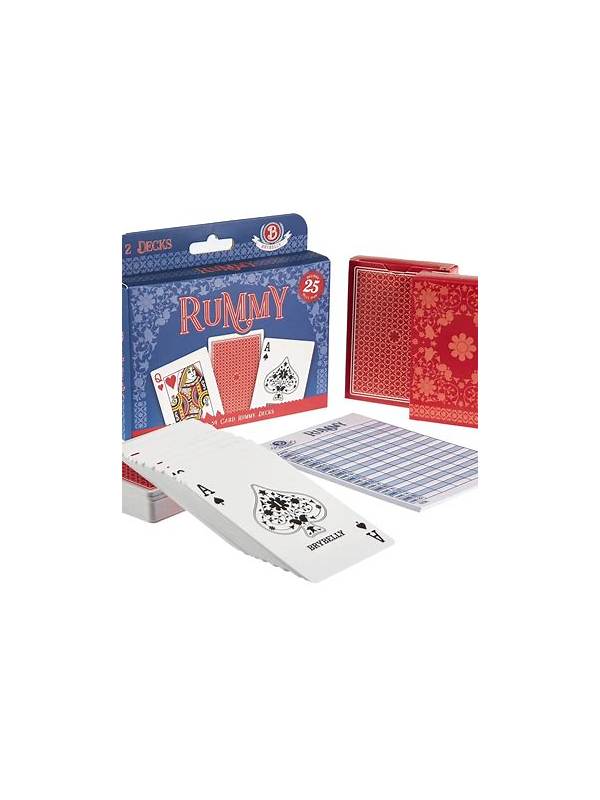
Comparing scarce and repeated cards helps players adjust their expectations across different rummy tables. [...]
A small, neutral notebook can reveal repeated decision patterns without recording sensitive account information. [...]
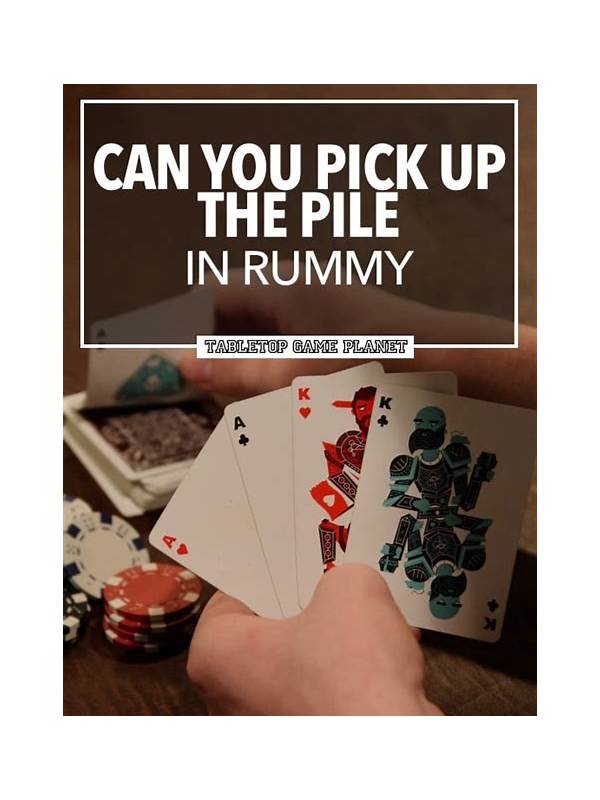
An accidental discard pickup should be handled through the table’s stated rules and support process, not a guess. [...]
A time limit can prompt a clear routine, but it should never replace checking the hand’s legality. [...]

An endgame checklist helps you verify legality, reduce loose cards, and avoid a rushed declaration. [...]
Visible time, spending, and break limits are easier to follow than intentions remembered only after frustration begins. [...]