Rummy Practice: Play a Hand With a One-Project Rule Rummy Practice: Play a Hand With a One-Project Rule
A focused practice constraint teaches you to identify a main route while still leaving room for sensible adjustments. [...]
A focused practice constraint teaches you to identify a main route while still leaving room for sensible adjustments. [...]
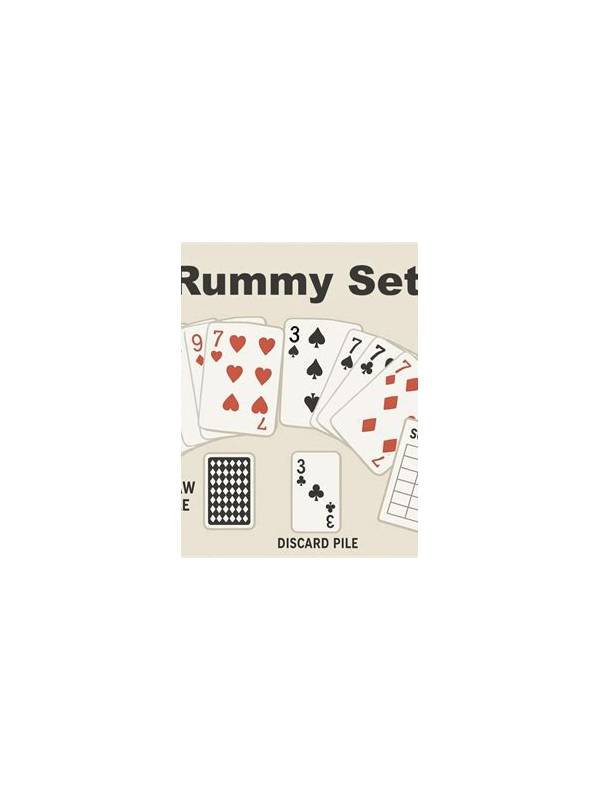
Choosing between unseen cards and known discards involves a trade-off between information value and opponent visibility. [...]

A limit decided before play creates a clear boundary when emotions or promotions make spending feel urgent. [...]

A plan-based layout makes requirements, flexible cards, and weak leftovers easier to see at a glance. [...]
Breaking a pair can be correct when it unlocks a stronger plan, but the lost options should be counted first. [...]

Keeping two or three discard candidates reduces rushed decisions and protects the hand’s strongest structure. [...]

Comparing sequence and set projects by flexibility and requirement value makes early-hand choices clearer. [...]

Reviewing permissions and privacy settings before registration can reduce unnecessary exposure on a gaming device. [...]
Two pairs can offer flexibility, but keeping both is only sensible when their future value is visible. [...]

Three repeatable questions can make every draw more deliberate without slowing down a casual game. [...]