
Rummy How-To: Build a Decision Tree for a Loose Card Rummy How-To: Build a Decision Tree for a Loose Card
A small decision tree turns one loose-card question into a sequence of practical checks. [...]
A small decision tree turns one loose-card question into a sequence of practical checks. [...]
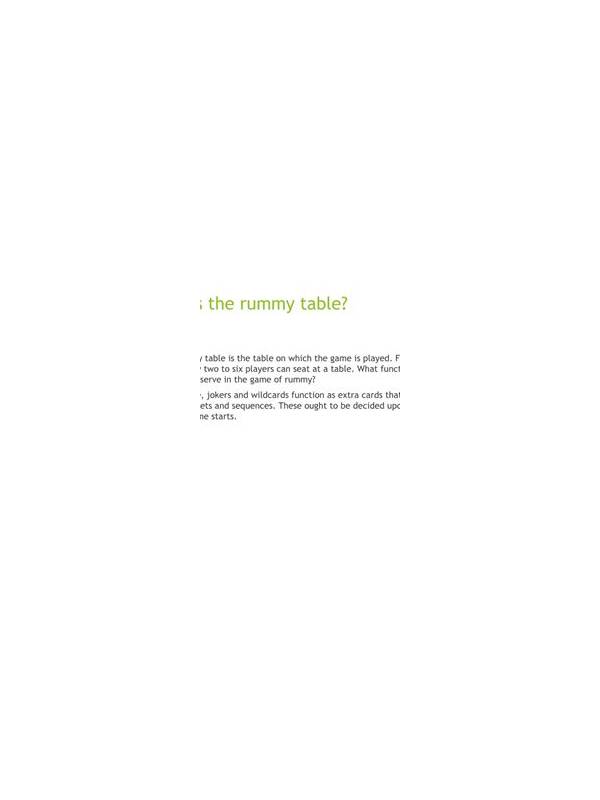
Reviewing how to pause or leave a rummy table before joining makes session boundaries easier to keep. [...]

A middle-game deadline prevents a narrow rummy combination from consuming flexibility indefinitely. [...]
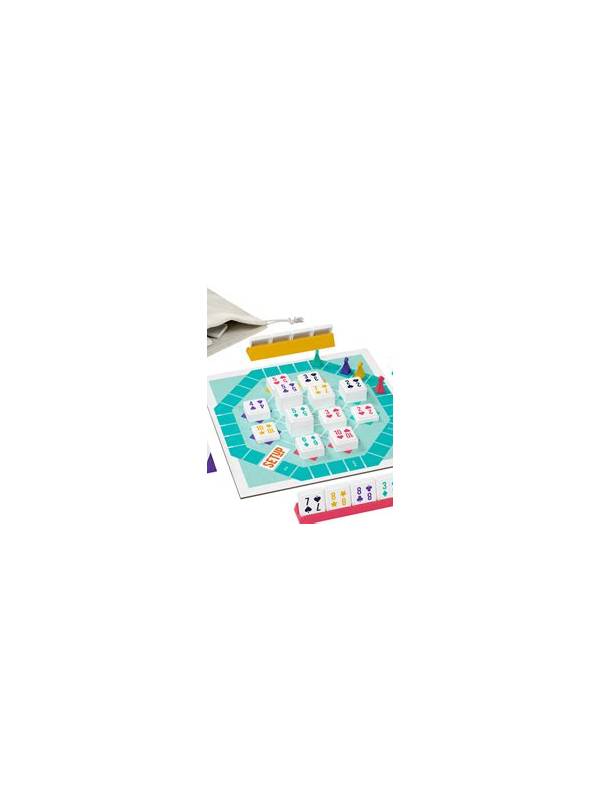
Adjusting visibility and interaction before play can reduce avoidable errors on a small phone or tablet screen. [...]

A safe next turn preserves legal options, limits unnecessary exposure, and leaves a clear follow-up decision. [...]
Comparing a complete hand plan with the value of one attractive card helps prevent attachment to individual cards. [...]

Reviewing an unfinished practice hand can reveal useful decisions even when there is no final declaration. [...]
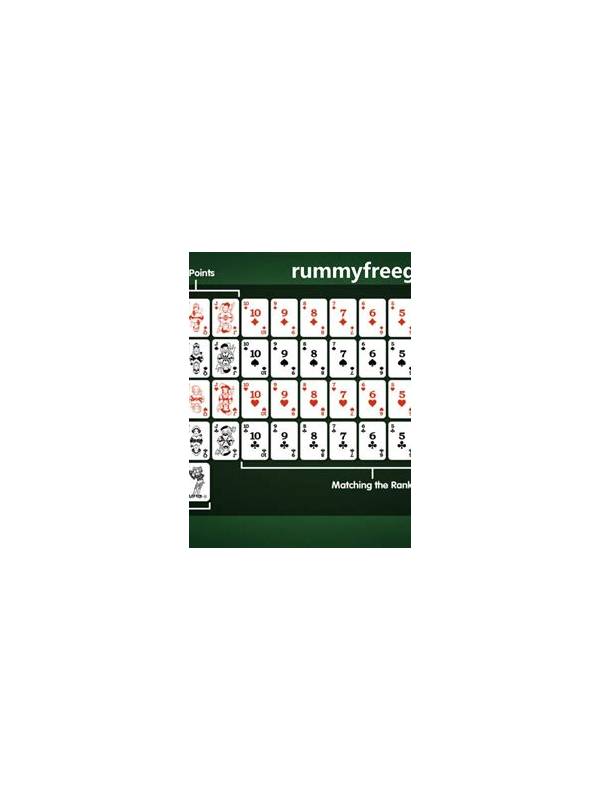
A three-card discard comparison can make a crowded hand easier to evaluate without relying on instinct alone. [...]
Pausing an unclear rummy table gives players time to verify rules, costs, identity, and exit options. [...]

A card with two possible uses should be compared by completion, flexibility, points, and the cost of losing either plan. [...]