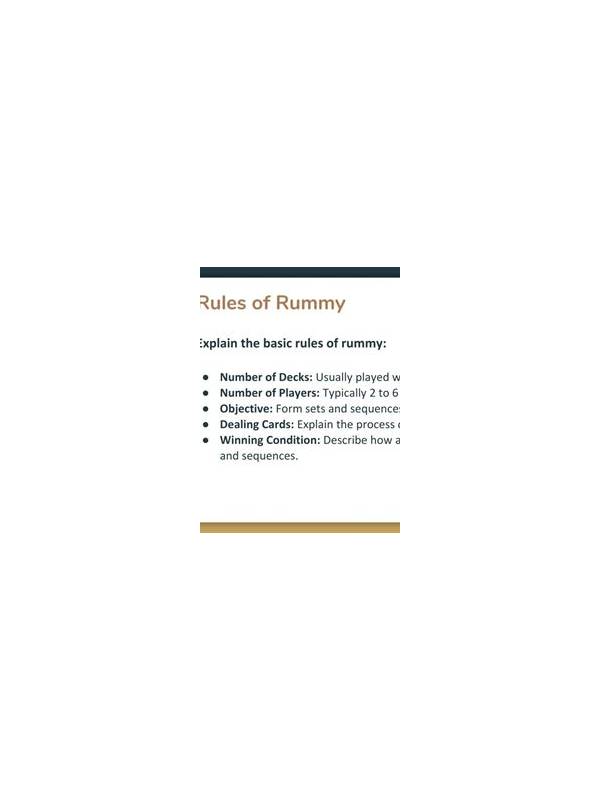
Rummy How-To: Compare Two Plans With a Failure Sketch Rummy How-To: Compare Two Plans With a Failure Sketch
A failure sketch shows the likely shape of your hand if a rummy plan does not receive its preferred draw. [...]
A failure sketch shows the likely shape of your hand if a rummy plan does not receive its preferred draw. [...]
A short factual summary turns a rummy session into useful learning without blaming luck or opponents. [...]
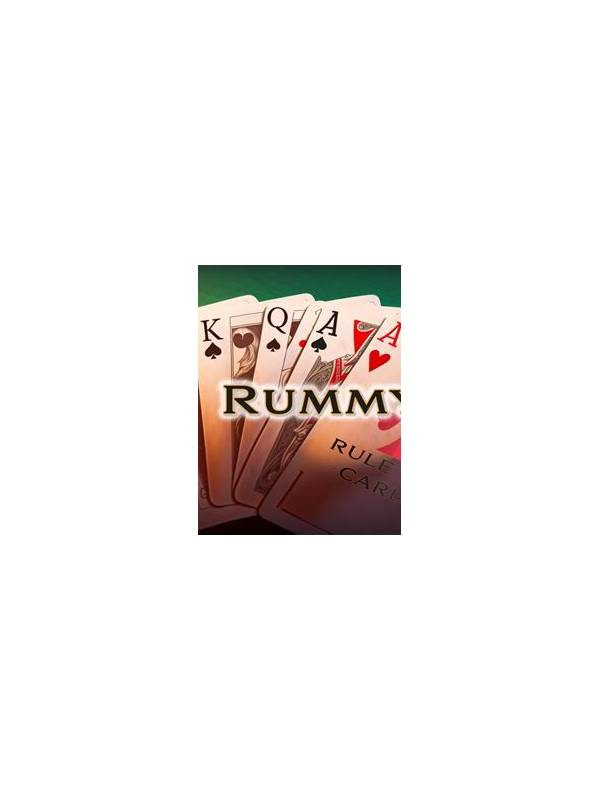
A narrow one-card chase can be worthwhile, but preserving options is often safer when the cost is high. [...]
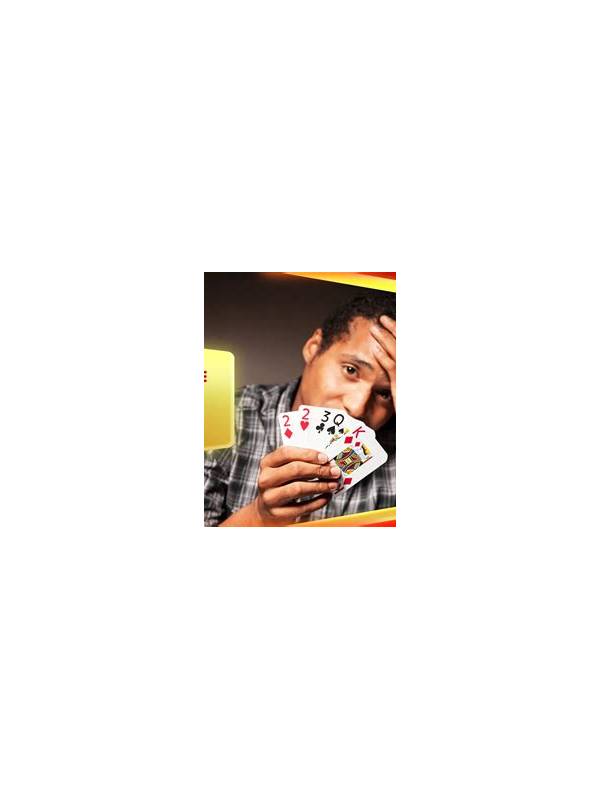
Conflicting table clues are a reason to reduce assumptions and choose a flexible response. [...]

A flexible time budget keeps rummy analysis focused without turning the game into a race. [...]
Basic device and network habits reduce avoidable account risk when playing away from home. [...]
A controlled practice test can show whether a rummy idea improves decisions without relying on one result. [...]
Familiar and experimental hand layouts each have value, depending on clarity, risk, and time pressure. [...]
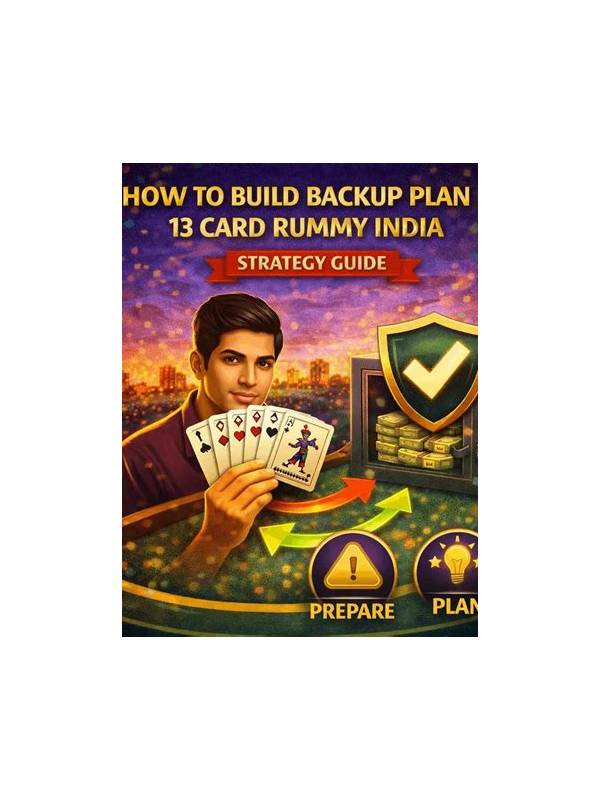
Planning two safe release options can keep a rummy hand from becoming trapped after an unlucky draw. [...]
A dead-end holding has little support, few repairs, and a high cost if it remains unfinished. [...]