
Rummy Strategy: Distinguish Progress From Movement Rummy Strategy: Distinguish Progress From Movement
A hand can change often without improving, so measure progress by stronger groups and fewer risks rather than by constant rearrangement. [...]
A hand can change often without improving, so measure progress by stronger groups and fewer risks rather than by constant rearrangement. [...]
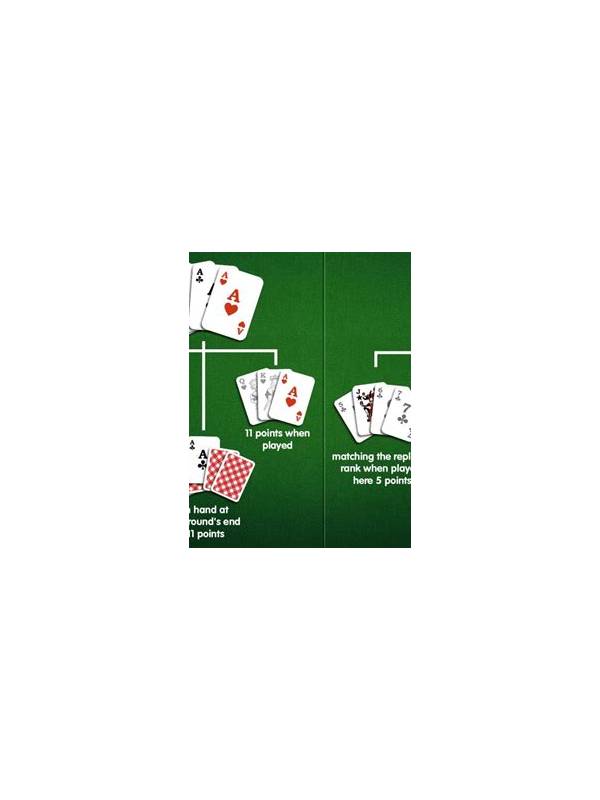
A focused look at the most recent discards can improve awareness without requiring you to memorize the entire pile. [...]

Choosing between one developed plan and two smaller plans depends on flexibility, timing, and the cost of keeping both alive. [...]

Practice should remain useful even when no money is involved, and optional stakes should never become a test of commitment. [...]
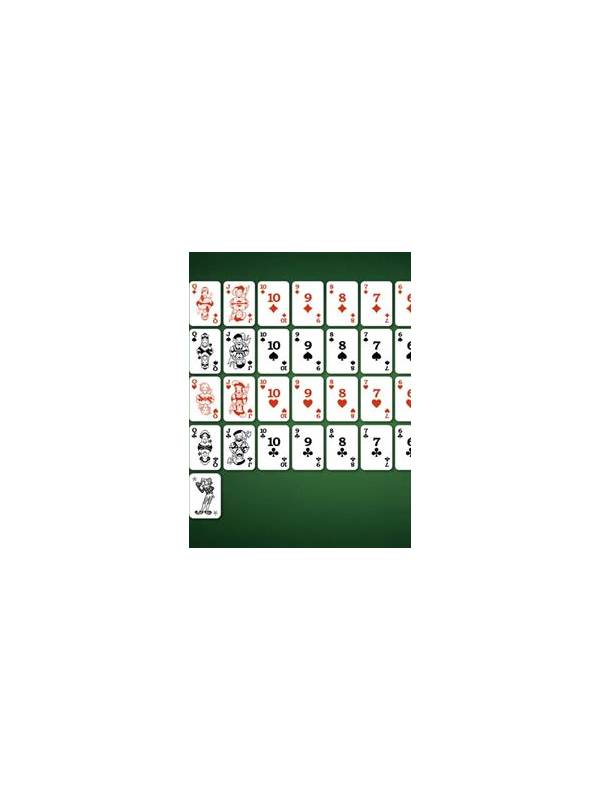
Changing a rummy plan is normal when new evidence weakens the old one, but a clear trigger prevents constant switching. [...]

Middle cards can connect in more directions, but their flexibility matters only when it supports a realistic hand plan. [...]
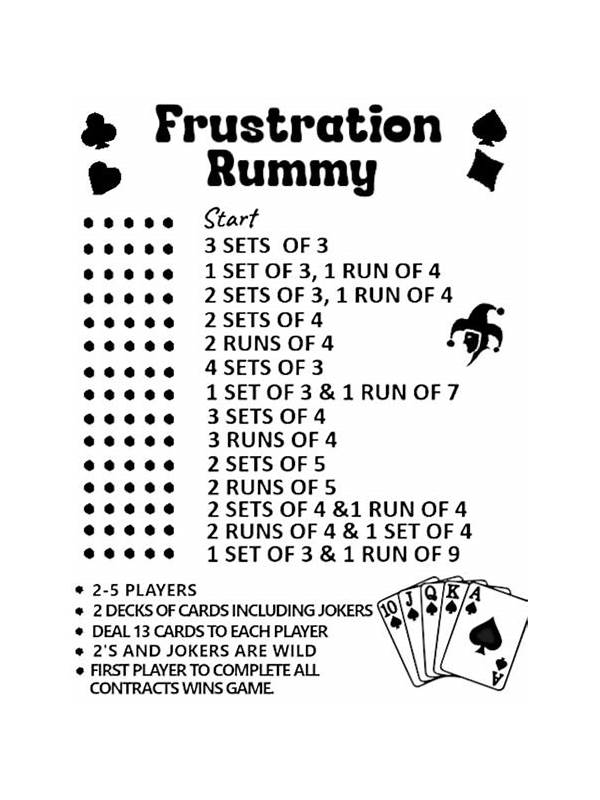
A brief review after each discard can reveal whether your choice protected progress, reduced risk, and preserved options. [...]

Short notes and full hand records serve different learning goals, so the better method depends on what you want to improve. [...]
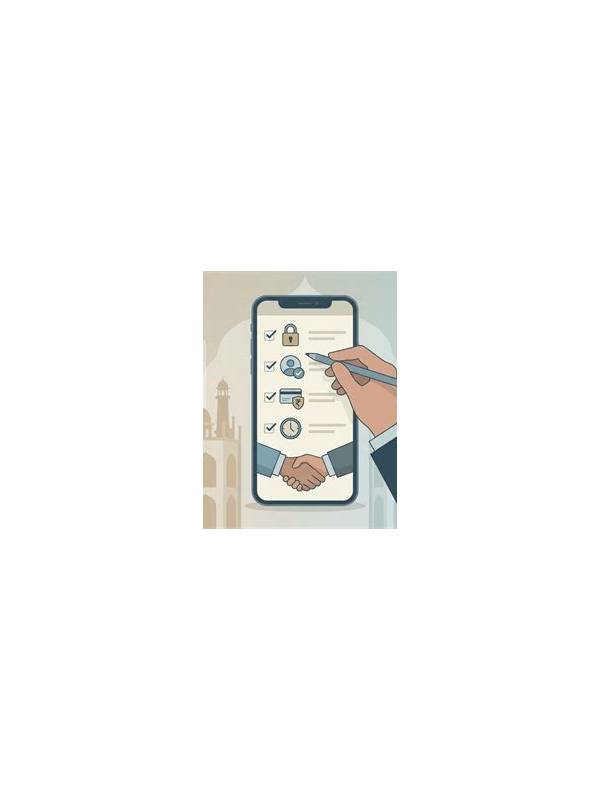
A written session budget creates a practical boundary for time, attention, and money before play begins. [...]
A dead card is not simply an unwanted card; it is one with little realistic value in your current hand plan. [...]