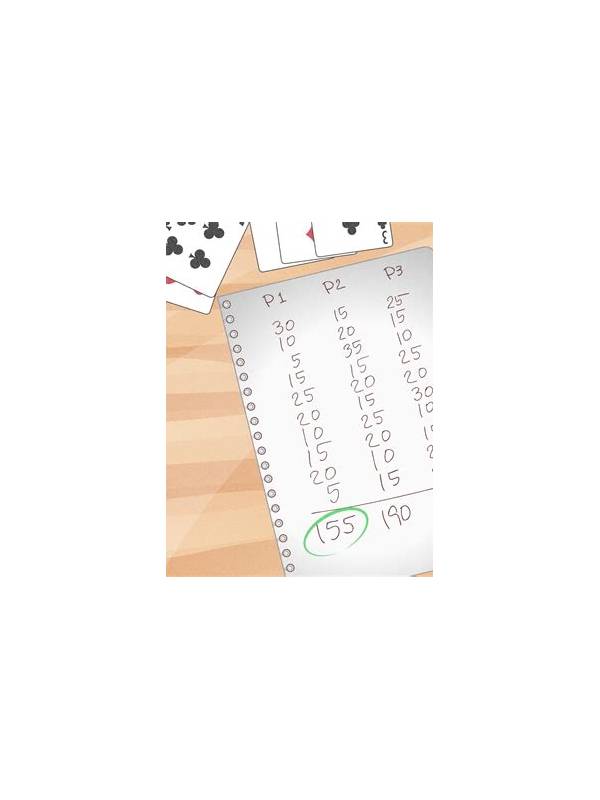
Rummy FAQ: What Should You Notice Before the First Draw? Rummy FAQ: What Should You Notice Before the First Draw?
Answering the most useful pre-draw questions for players who want a calmer and more consistent opening turn. [...]
Answering the most useful pre-draw questions for players who want a calmer and more consistent opening turn. [...]
Three simple hand categories can make rummy planning faster without forcing you into a rigid strategy. [...]
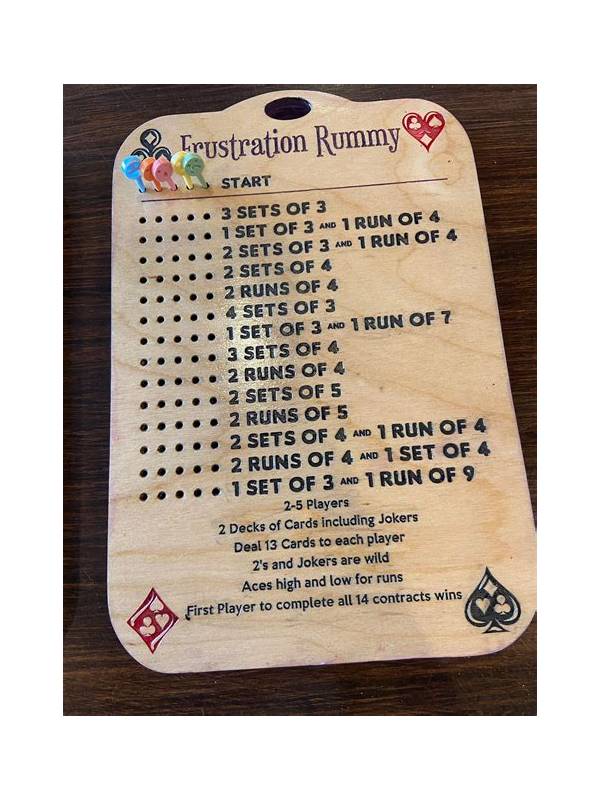
A practical way to track useful missing cards while keeping your rummy decisions simple and disciplined. [...]

Visual sorting is fast for live play, while written group notes are useful for deliberate study; combining their strengths improves practice. [...]

A pause, a written rule check, and a neutral review can keep a rummy disagreement from becoming a rushed or hostile decision. [...]
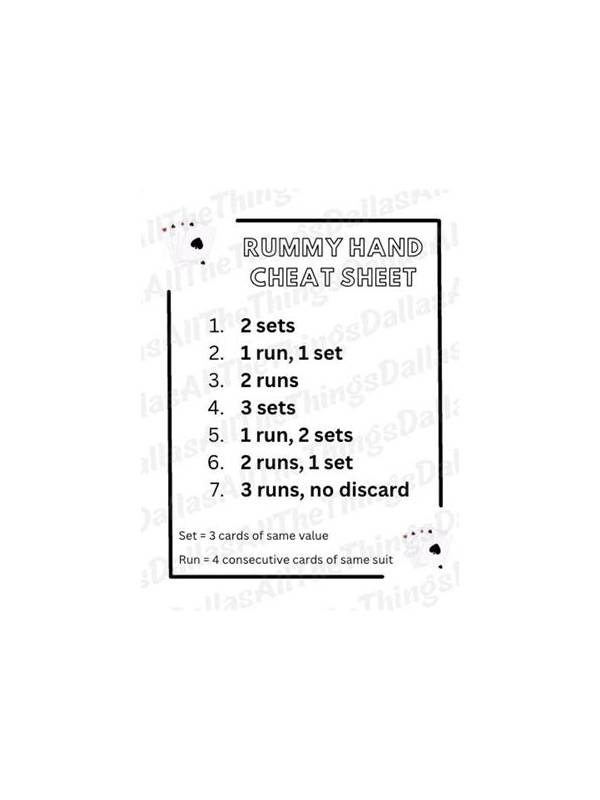
A fixed review order helps players inspect legality, structure, risk, and next actions without overlooking a basic detail. [...]

Passing on an open card can be correct when its immediate value is outweighed by exposure, inflexibility, or a stronger hidden-draw option. [...]
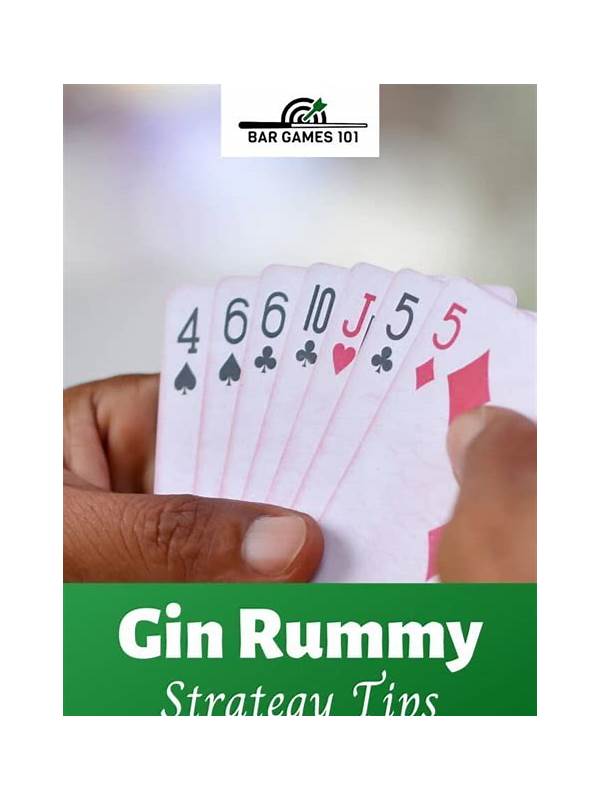
Selecting one well-supported anchor card can give a messy rummy hand a stable starting point without forcing an entire plan too early. [...]

A consistent table setup reduces distractions and makes hand organization, rule checks, and score tracking easier. [...]
Delaying the reveal of an answer or final layout turns a rummy exercise into practice for reasoning under incomplete information. [...]