Rummy FAQ: What Should You Notice Before the First Draw?
The first few seconds of a rummy round can shape the whole hand. You do not need to solve the hand immediately, but you should notice a few facts before choosing a direction.
First, check the exact objective. Different tables can use different requirements for sequences, sets, jokers, scoring, and declarations. A plan that is legal in one format may fail in another. Read the table information and confirm how an invalid declaration is scored before you begin.
Second, look for structure rather than isolated card value. Two neighboring cards of the same suit suggest a possible sequence. Repeated ranks suggest a possible set. A single high card with no partner is not automatically terrible, but it deserves a reason to stay. Starting with structure keeps you from overvaluing face cards merely because their penalty is visible.
Third, mark your most flexible card. Middle ranks often connect in more than one way, while edge ranks have fewer sequence options. A joker may also be flexible, but its best use depends on the rule set and whether a natural sequence is still needed. Marking flexibility helps you avoid discarding a useful bridge during the first rotation.
Fourth, note the number of opponents and the pace of the table. A short turn window rewards a simple sorting routine. A slower practice table may give you time to compare alternatives. Neither pace changes the cards, but it changes how much complexity you can handle without making rushed errors.
Finally, choose one review question for the opening. For example: “Which card would I release if I draw nothing useful next?” Having a provisional answer prevents the hand from expanding indefinitely. Revisit it after the next draw because the first plan is only a starting hypothesis.
The pre-draw routine is observation, not prediction. Confirm the rules, find early connections, protect flexibility, and prepare a discard principle. Those habits make the next decision clearer without pretending that the opening hand determines the result.
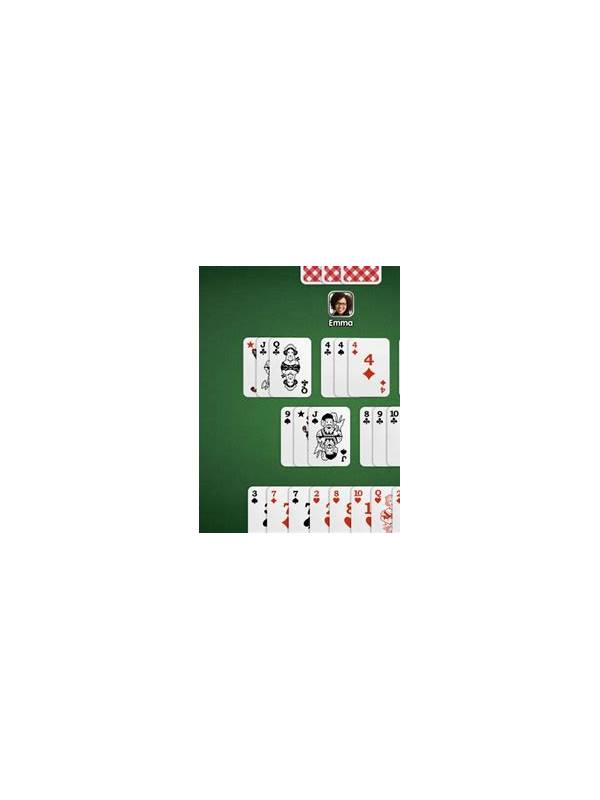
If you play on a mobile screen, allow an extra moment to confirm suit colors and rank symbols. Misreading a card is an avoidable error, especially when visual themes or small displays are involved. A deliberate first scan is faster than correcting a mistaken plan several turns later. The same questions work in a home practice game. Deal the cards, pause, and state your first two observations aloud before drawing. This trains recognition without attaching a prediction to the opening. Later, compare the initial observations with the final hand and note which information was genuinely useful.
Related Post
Rummy Tips: Use the Clock as a Focus Cue
A time limit can prompt a clear routine, but it should never replace checking the [...]
Rummy How-To: Build a Small Evidence Ledger
An evidence ledger helps you separate visible table information from guesses while a rummy hand [...]