Rummy FAQ: Does Taking a Discard Reveal Too Much? Rummy FAQ: Does Taking a Discard Reveal Too Much?
Taking a discard can reveal a route, but the information cost depends on timing, alternatives, and how clearly the card fits your hand. [...]
Taking a discard can reveal a route, but the information cost depends on timing, alternatives, and how clearly the card fits your hand. [...]

A decision-quality stop-loss ends a tired or emotional session before declining attention turns ordinary rummy errors into repeated losses. [...]

Comparing visible information with hidden risk helps rummy players avoid treating every known card as a complete picture. [...]
A compact visible-card log helps rummy players update routes without pretending to know cards that remain hidden. [...]
Flexible pairs and completed singles solve different problems, so comparing them requires considering route count, penalty, and timing. [...]
Three focused review questions can reveal whether a rummy hand failed because of planning, timing, or an unavoidable draw. [...]

A brief endgame check catches invalid melds, costly loose cards, and avoidable declaration errors before the final action. [...]
A promising pair deserves to be abandoned when its route narrows, its opportunity cost rises, or a stronger structure now needs the space. [...]
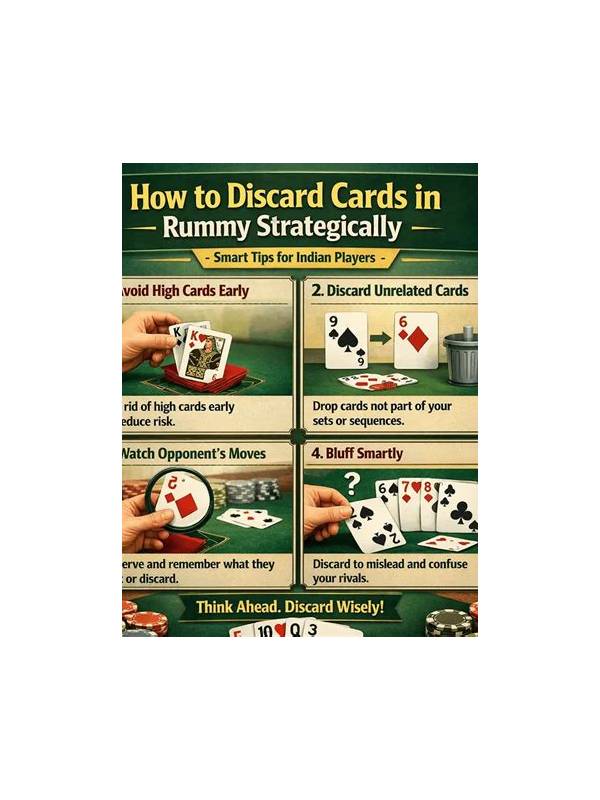
Replacement value asks what a discard makes possible next, giving rummy decisions a wider view than simply removing the weakest card. [...]
Mapping several plausible finishes helps a rummy player choose draws that preserve flexibility instead of chasing one fragile pattern. [...]