Rummy Comparison: Open Information and Hidden Risk
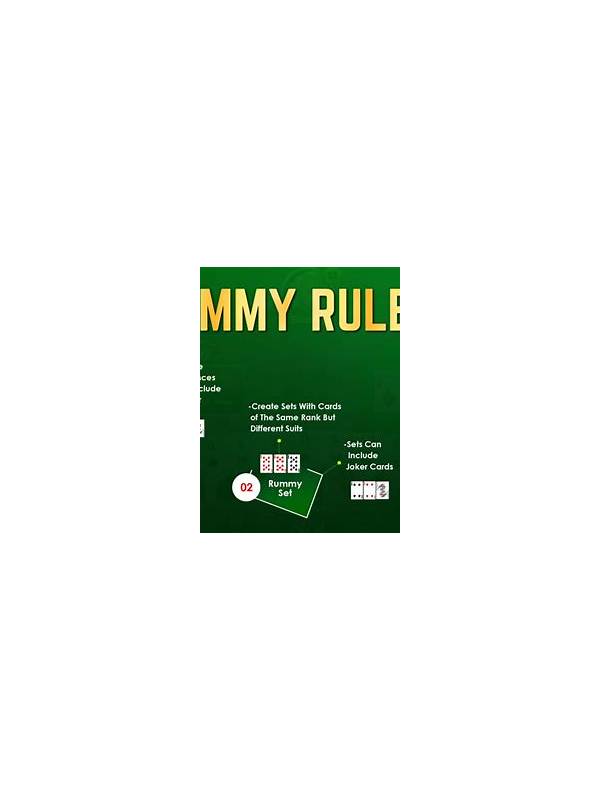
Rummy provides both open information and hidden information. The open information may include discards, public groups, turn order, or visible table actions. The hidden information includes cards still in other hands and future draws. Good decisions use the first category carefully while respecting the uncertainty of the second.
Open information is useful for forming questions. If a needed rank has appeared in the discard pile, you know one copy has been seen, but you do not automatically know where the other copies are. If an opponent takes a card, that action may suggest interest, but it does not prove the exact group they are building. Visible evidence narrows possibilities; it rarely identifies one answer with certainty.
Hidden risk grows when a plan depends on several unseen events. Holding a high card while waiting for one exact connector is a clear example. The card may complete a valuable group, but the route can remain narrow. Compare it with a lower-value card that connects in two directions. The second card may offer less excitement but a broader response to future draws.
A practical comparison uses two columns. In the first, write what you know: cards seen, legal groups already formed, and the opponent action itself. In the second, write what you are assuming: the opponent’s intended group, the chance of a particular draw, or the belief that a card is still available. Do not let an assumption carry the same weight as a fact.
This method is helpful during reviews. Ask whether a decision was supported by information or by a story created after the result. A failed draw does not prove the route was bad, and a successful draw does not prove the assumptions were accurate. Evaluate the quality of the reasoning at the moment of choice.
You can practice with a standard deck by hiding several cards and recording only the cards you can see. Make a plan, then reveal one hidden card at a time and update your comparison. The exercise shows how quickly confidence should change when evidence changes.
Keep the distinction practical, not complicated. Use visible information to improve your options, and use hidden-risk awareness to keep confidence proportionate. A calm estimate is more useful than a dramatic prediction.
When reviewing a hand, use confidence words carefully. “Known,” “suggests,” and “possible” describe different levels of evidence. This vocabulary can prevent an early clue from becoming an untested conclusion. It also makes post-session notes more honest, because you can see whether a decision relied on a fact or on a possibility that merely felt likely.
Related Post
Rummy Guide: Use Evidence Tags for Open Cards
Evidence tags help organize what visible discards do and do not tell you about a [...]
Rummy Safety: Check App Permissions Before Installing
Learn which permission questions to ask before installing a rummy app or enabling an update. [...]