Rummy Guide: Use the Table Clock Without Rushing Your Hand
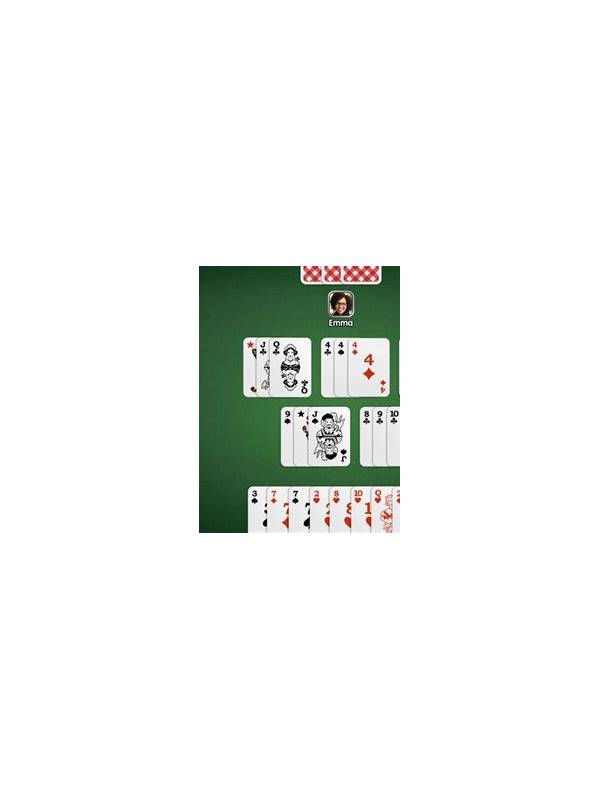
Online rummy adds a small pressure that does not exist around a quiet physical table: the clock. A timer can make an ordinary draw feel urgent, especially when several cards are ungrouped. The useful response is not to play every turn faster. It is to decide what must be checked before the clock becomes a problem and repeat that routine consistently.
Start by separating the turn into three phases. First, identify what changed: the card you drew, the card your opponent discarded, or a new visible meld. Second, compare that change with your current plan. Third, choose the discard only after asking whether it gives away an obvious useful card. This sequence can be completed quickly because it prevents you from reconsidering the entire hand every turn.
It helps to keep a short mental inventory. Know which cards are already part of a secure sequence, which cards are waiting for one connection, and which cards have no credible role. When the timer is running, inspect the last group first. If a card has no route and carries points, it is usually a stronger discard candidate than a flexible card that could serve two plans.
Do not let the clock force an emotional declaration. A nearly complete hand still needs the required combination of sequences and sets under the table rules. Before declaring, run a fixed check: every card assigned, the required pure sequence present, and no spare card left unexamined. A ten-second checklist is more valuable than saving a few seconds by guessing.
After a session, note whether the timer actually caused errors. If you repeatedly rush the first few turns, practice sorting and naming your three card groups before joining a table. If you misread the declaration stage, rehearse the final checklist. The aim is to make the clock a boundary around a known process, not a reason to abandon one. You can also prepare the physical conditions around the session. Close unrelated notifications, use a stable connection, and keep the display large enough to read card labels without repeated zooming. If the application offers a practice mode, use it to rehearse the sequence of checks with a shorter timer. A technical interruption is not a strategic mistake, so if the table freezes or the connection becomes unreliable, follow the platform’s official support procedure and avoid clicking repeated payment or reconnection prompts. Good preparation leaves more attention for the hand itself.
Related Post
Rummy Comparison: Active Information Versus Passive Information
Separating active information from passive information helps players use visible cards without turning guesses into [...]
Rummy How-To: Build a Clean Opening Inventory
A practical opening inventory helps a rummy player see options before committing to a single [...]