Rummy How-To: Sort Cards by Commitment, Not Just Suit
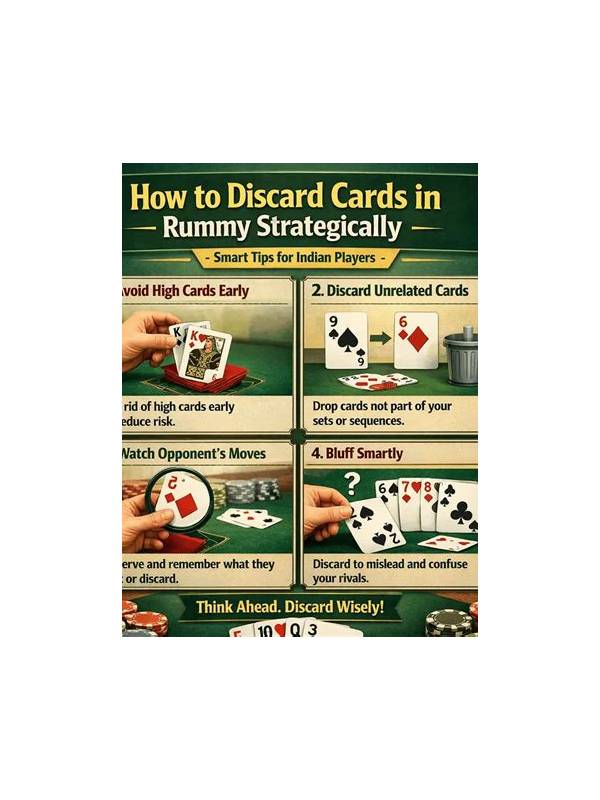
Sorting a rummy hand by suit and rank is useful, but it can hide the most important question: how committed are you to each grouping? Two cards beside one another may look promising while serving completely different purposes. A commitment-based sort makes it easier to see what is finished, what is conditional, and what should be released.
Create three mental or visual sections. The first is secure: cards already in a valid sequence or set that you do not need to disturb. The second is conditional: pairs, gaps, or flexible cards that have at least one realistic route. The third is open: cards with no current connection or cards kept only because they are valuable. Keep these sections separate while evaluating a draw.
Commitment does not mean you can never change a secure group. It means changing it has a cost. A pure sequence, for example, may satisfy a requirement that is difficult to rebuild. A three-card set may be useful, but if it is the only group supporting a declaration, breaking it should require a specific improvement. Naming the cost stops a hopeful new combination from receiving too much attention.
For conditional cards, write the missing requirement in plain language. A pair may need one neighbor, one matching rank, or a particular joker. If the requirement is narrow, set a release condition before the next draw. If the requirement is broad and the cards remain low risk, they can stay active. This turns “maybe” into a decision with a boundary.
When you draw, compare the new card with the three sections before rearranging anything. A card that improves the conditional section is not automatically better than a card that completes a secure route. At the end, discard from the open section unless doing so exposes a clear benefit to another player. The sort is simple, but it reveals whether your hand is progressing or merely being rearranged. This approach is especially useful after drawing a joker or another highly flexible card. Place it in the conditional section until you know which requirement it solves. A flexible card can hide the weakness of surrounding cards because it makes several layouts look possible. Marking it separately keeps you from counting the same resource as support for every route at once. Before the final declaration, temporarily remove flexible cards from each proposed grouping and verify that the remaining structure still meets the table’s rules.
Related Post

Rummy Practice: Track Draw-and-Discard Pairs
Tracking what you draw and discard can expose habits in selection, attachment, and late-turn rushing. [...]
Rummy FAQ: How Does a Wildcard Change a Sequence Plan?
A wildcard adds flexibility, but using it well still requires checking pure-sequence and grouping requirements. [...]