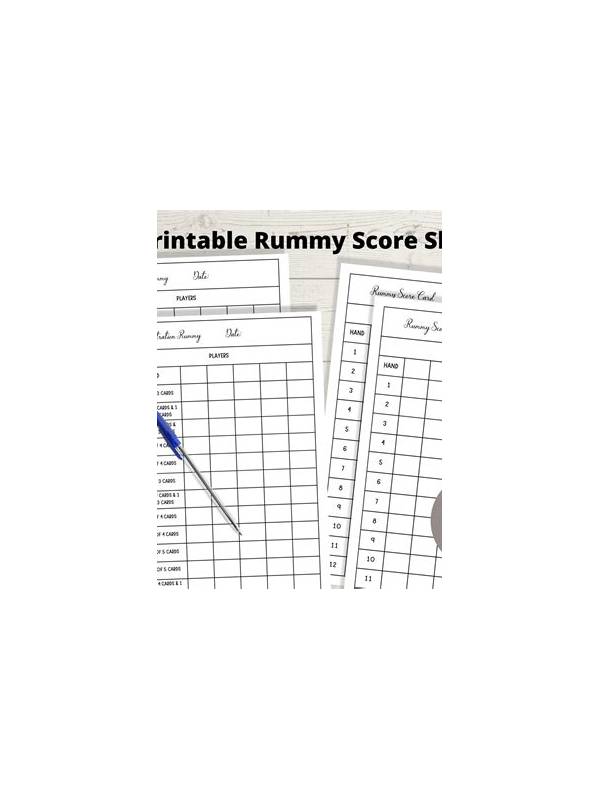
Rummy Safety: Set a Clear Loss Limit Before You Sit Down
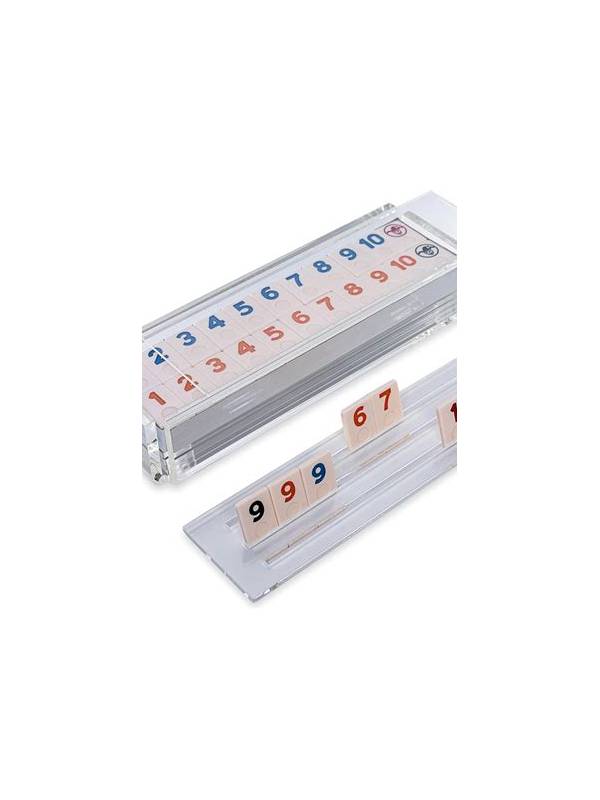
A loss limit is a personal boundary for money or points that tells you when a session ends. It is not a prediction about how the next hand will go, and it should not be moved because a recovery feels close. Setting it before play is useful because decisions made during frustration are rarely as independent as they seem.
Choose an amount that you can lose without affecting necessities, planned bills, or other commitments. If you are playing a points format with no cash stake, choose a session limit such as a fixed number of hands or a time window. The boundary should be specific enough that you do not need to negotiate with yourself after a bad result.
Write down both the stop point and the conditions around it. For example, you might stop after reaching the limit, after the planned time, or when you notice you are playing to erase a previous loss. These are different signals, so list them separately. A break does not reset the limit; it only gives you time to decide whether the session should remain closed.
Do not treat a bonus, refund, or promotional balance as free money. Read the relevant rules and decide whether it changes your personal limit. Platform terms may also include minimum play, withdrawal, identity, or location conditions. If anything is unclear, pause and seek official information rather than using extra play to discover the answer.
After a session, compare your actual behavior with the plan. If you stopped at the boundary, the system worked even if the result was disappointing. If you moved it, record what prompted that move without criticizing yourself. Repeated changes are evidence that the limit needs a stronger practical barrier, such as disabling top-ups or choosing a fixed no-deposit practice format. If money is involved, use only payment methods and account controls provided by the official service. Keep a personal record of deposits and withdrawals without storing full card numbers or authentication codes in notes. A limit should be easy to understand and hard to bypass casually. Consider telling a trusted person about the boundary if you find yourself repeatedly changing it. Responsible play is not measured by recovering a loss; it is measured by keeping the activity inside limits that remain safe on an ordinary day. Make the boundary visible before play begins. A written note, account setting, or timer can remove the need for a fresh decision at the most emotional point. If you cannot state the limit comfortably, choose a lower-risk format or do not start the session.
Related Post
Rummy Rule Variations: Confirm Details Before You Play
Checking small rule differences early can prevent avoidable disputes about groups, turns, and scoring. [...]
Rummy Safety: Handle Disputes With a Fact Timeline
A factual timeline helps resolve table disputes without sharing unnecessary personal information or escalating the [...]