How to Read Rummy Scoring Without Losing Track
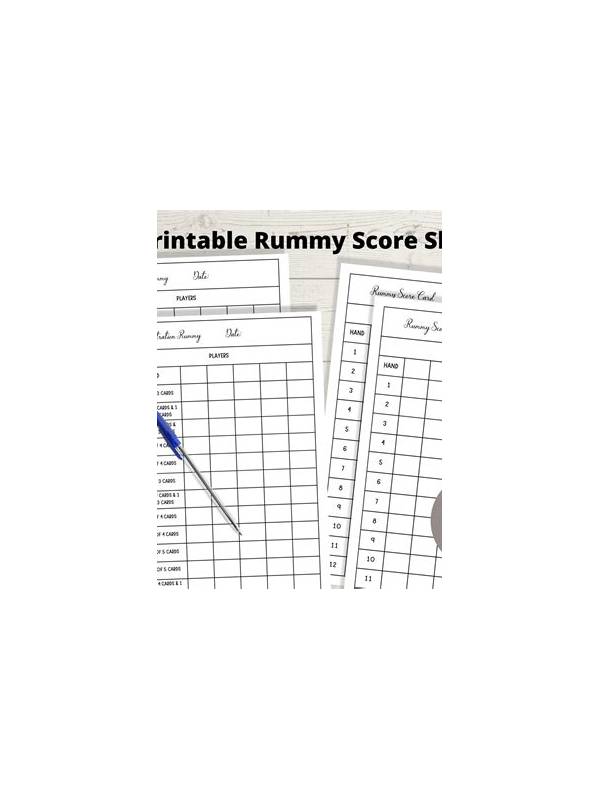
Rummy scoring can look complicated when a player is still concentrating on arranging cards. The easiest solution is to separate hand validity from point calculation. First determine whether the declared hand satisfies the format’s required sequences and groups. Only after that should you calculate the points attached to an ungrouped or losing hand.
Begin by confirming the table rules. Different formats can use different entry amounts, round limits, penalties, or bonus structures. Read the current rules shown by the table rather than relying on memory from a different app or a casual home game. If a scoring term is unclear, pause before joining and find its definition in the help section.
For a simple review, list every card that is not part of a valid group. Face cards commonly carry ten points, numbered cards carry their printed values, and a joker may carry no penalty, but the exact treatment depends on the rules. Add the values carefully and keep the calculation visible until the result has been confirmed. A score that feels surprising is a reason to check the rule, not to assume the app is wrong.
Use a second pass to verify the grouping. A card cannot be counted in two groups at once, and a sequence normally requires cards of the same suit in consecutive order. A set normally requires the same rank in different suits. Wild-card rules may alter what is possible, but they do not automatically make every arrangement valid. Mark each card once, then compare the remaining cards with the scoring explanation.
If a result seems inconsistent, save the round details: format, hand, declaration status, and displayed calculation. Contact official support through the app and describe the specific discrepancy. Avoid sharing passwords, one-time codes, or unnecessary personal information. A calm scoring routine turns a confusing result into a question that can be checked and answered.
When teaching a new player, demonstrate the calculation with a fictional hand rather than a recent loss. Show how a valid group removes cards from the penalty calculation and how one misplaced card can change the result. Then ask the learner to repeat the process independently. Explaining the steps aloud often reveals whether the difficulty is arithmetic or hand validation.
Keep the terminology consistent in your notes. Distinguish a table entry, a round score, a cumulative score, and a balance transaction. These are related but not interchangeable. If the app uses a special bonus or multiplier, copy its exact label and consult the published explanation. Clear categories make later comparisons much less confusing.
Related Post
Rummy Guide: Rank Plans by Number of Unresolved Tasks
Counting unresolved tasks offers a practical way to compare rummy hand shapes beyond simple group [...]
Rummy FAQ: When Does the Discard Pile Tell You Enough?
The discard pile offers clues, but a few cards rarely justify certainty about another player’s [...]