Rummy Hand Mapping: A Five-Column Way to See Your Options
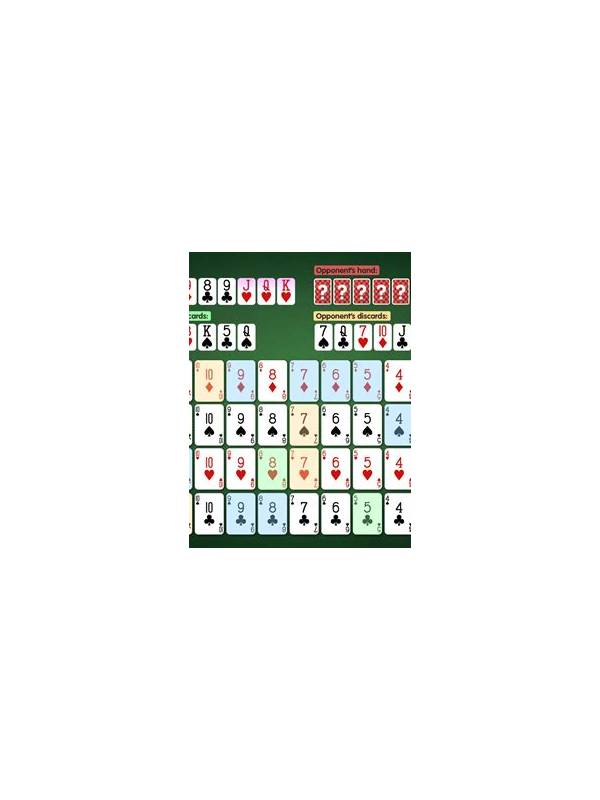
Rummy players often sort their cards by suit and rank, then immediately begin chasing the most attractive combination. A better first step is to map the hand by function. This simple five-column method shows which cards are working, which are waiting, and which are costing you points.
Create five mental columns: confirmed sequence, possible sequence, possible set, flexible card, and liability. A confirmed sequence contains cards that already fit a valid run under the table rules. A possible sequence has a clear neighbor or gap that could be filled. A possible set has matching ranks but needs another suit. A flexible card can support more than one plan. A liability is high-value or isolated without a convincing route.
The map is useful because it separates evidence from hope. Two connected cards are not a finished sequence, even if the missing card feels likely. Mark them as possible rather than confirmed. Likewise, a pair may be valuable, but it should not be treated as a set until a realistic third card exists. This language keeps the hand honest.
Rebuild the map after every meaningful draw. A new card may promote a possible sequence, but it can also make a flexible card less important. Ask three questions: What became certain? What became narrower? Which card now has the weakest job? The last question usually identifies the safest discard.
Do not keep a card merely because it appears in several imagined combinations. Flexibility has value only when at least one route is practical. If a card needs two different future draws, it is often a liability wearing a promising disguise. Give it a deadline: if the next few turns do not improve its role, release it.
This method also helps with declarations. Before arranging the final hand, inspect each column rather than trusting visual similarity. Confirm the required pure sequence first, then check every remaining group. A tidy map reduces rushed errors and makes your decision process repeatable, whether the hand wins or loses.
You can also use the map to explain a decision after the hand. Instead of saying that a card felt bad, describe its column and its missing requirement. That language makes review more objective. Over several sessions, you may notice that certain cards remain in the possible column too long, or that you fail to protect confirmed structures when a new possibility appears. Those observations can become specific practice goals. The map is valuable because it turns a moving hand into a small set of visible jobs. When each card has a job, changing plans becomes deliberate rather than a reaction to the latest draw.
Related Post

Rummy Guide: Practice Counting Without Memorizing Every Card
Focused counting exercises can improve awareness of card availability without overwhelming working memory. [...]
Rummy Comparison: Drawing From the Pile Versus Drawing Blind
A decision framework for comparing information, flexibility, and risk on each draw. [...]