Rummy Draw Timing: When to Prefer the Closed Pile
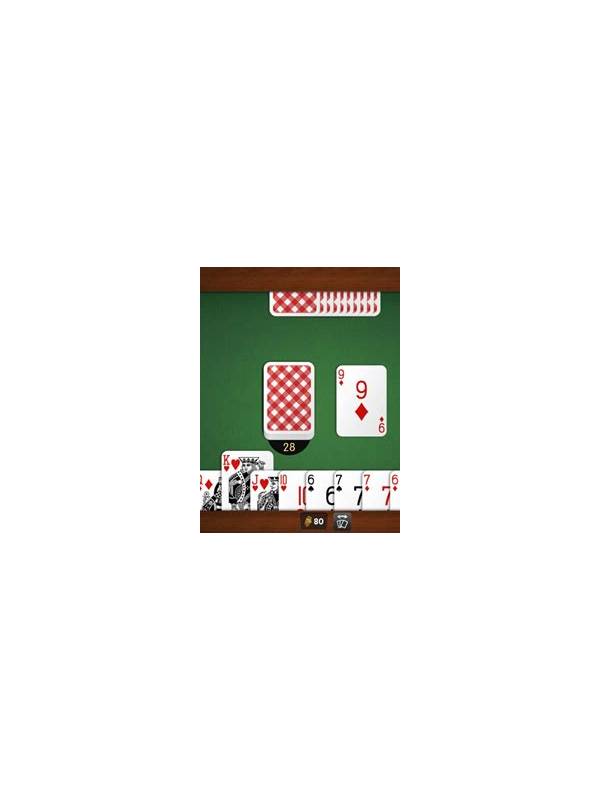
The choice between a closed pile and an open discard is more than a hunt for a specific card. It is a timing decision. The open card gives information to other players, while the closed pile hides your intention. Neither source is automatically better; the right choice depends on how much your hand needs certainty.
Choose the open pile when the card immediately completes or strongly improves a structure. A card that turns a confirmed pair into a sequence, or removes a dangerous high-value liability, has a measurable benefit. The information cost may be acceptable because the improvement is concrete. Before taking it, however, check whether the same card would reveal a plan you are not prepared to continue.
Prefer the closed pile when the open card is merely interesting. An attractive card can tempt you into a narrow plan while telling opponents exactly what you are collecting. Hidden draws preserve several routes and make your next discard less predictable. This is especially useful early in a hand, when your structure is still developing.
Timing matters late in the hand. If another player appears close to declaring, certainty may outweigh secrecy. Taking an open card that reduces your points or completes a needed group can be correct even when it advertises your plan. Conversely, if your hand is already organized and the open card does not improve it, protecting your information is often the cleaner choice.
Use a short test before drawing: Does this card improve a confirmed group? Does it create more than one realistic route? Does taking it force an awkward discard? If the answers are no, no, and yes, stay with the closed pile. If the first answer is yes, calculate the benefit rather than following a vague feeling.
Finally, remember that pile choices should serve the whole hand. Do not take a card simply because an opponent discarded it. Read it as information, not permission. A disciplined player lets the hand’s strongest need—completion, point reduction, or flexibility—decide the source.
Keep a brief note of why you chose a pile during practice. The note need only contain one phrase such as completed a route or protected flexibility. Later, compare the reason with the hand’s actual development. This is not a way to blame yourself for an unlucky draw. It is a way to learn whether your pile choices are being driven by clear benefits or by the excitement of a visible card. Over time, the habit makes the choice faster because you recognize the situations that genuinely call for certainty.
Related Post
Rummy Comparison: Active Information Versus Passive Information
Separating active information from passive information helps players use visible cards without turning guesses into [...]
Rummy How-To: Create a Backup Route Before Committing
Building a backup route gives a rummy hand a controlled escape when the main idea [...]