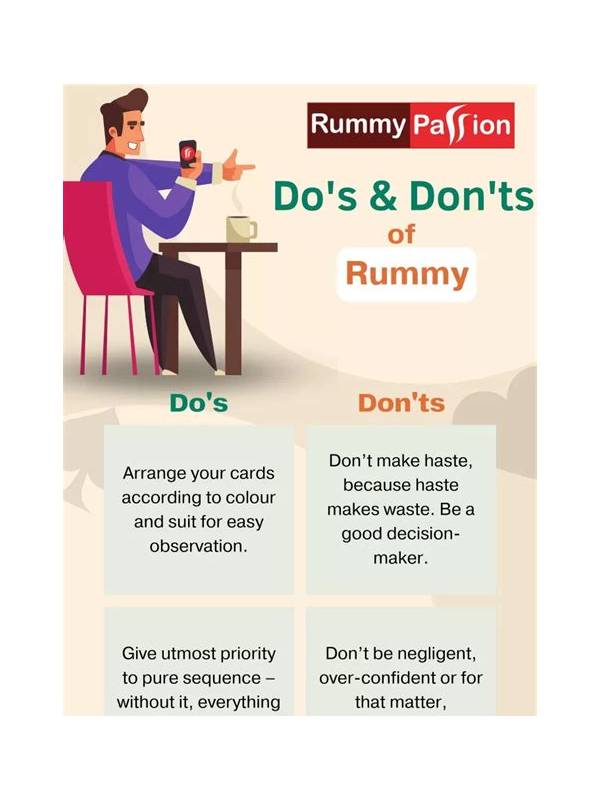
Rummy Comparison: Rank-First or Suit-First Discarding
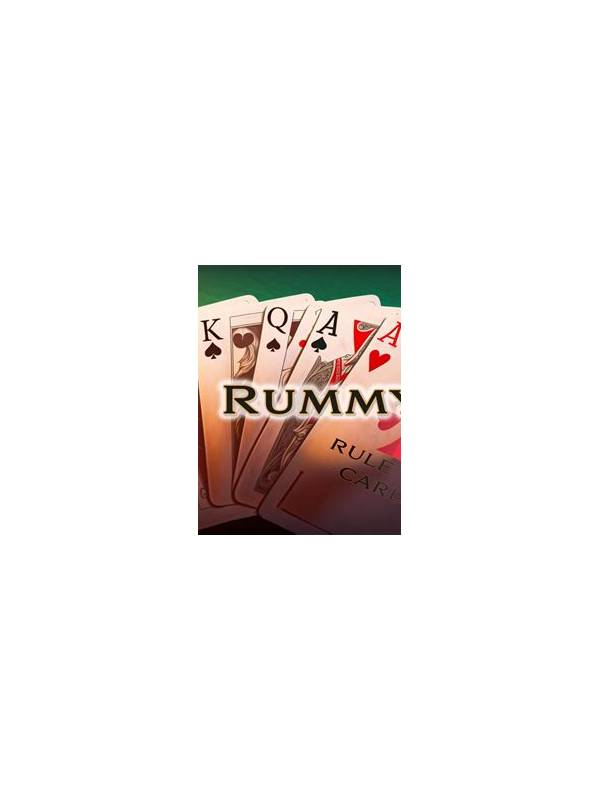
Sorting a rummy hand by suit highlights sequences, while sorting by rank highlights sets and repeated values. Neither view is always superior. Switching between them before a difficult discard can reveal a connection that the first arrangement hid.
Suit-first sorting is useful when you are checking natural sequences. It shows adjacent ranks, gaps, and long runs within each suit. Mark cards that connect in both directions and cards that need one exact rank. This view helps you see whether a proposed sequence is realistic or whether it consumes a valuable bridge.
Rank-first sorting is useful for sets and duplicate values. It shows pairs, triples, and ranks that appear across suits. It can also expose a high card that looks connected by suit but has a better role as part of a rank group. Again, the pattern is information, not an instruction.
To compare the views, choose two discard candidates. In suit-first order, write what each card supports. Reorder by rank and write the same note. If a card has a strong role in one view but no role in the other, inspect the full hand before choosing. Consider point value, legal requirements, visible information, and the cost of breaking another group.
Digital interfaces often sort automatically. If the arrangement changes after a draw, take a moment to confirm that you still understand which cards belong together. On a physical deck, practise reordering without moving completed groups. The small movement can be a useful visual reset.
Do not switch views so frequently that you lose track of the current plan. Use suit-first for sequence questions and rank-first for set questions, then return to a stable layout. A short repeatable workflow is better than endless rearrangement.
The comparison is especially helpful for beginners because it separates the physical layout from the strategic conclusion. A card is not good merely because it sits beside another card. It is useful when the complete hand gives it a realistic job.
If the interface offers automatic sorting, learn how to change it before playing an important hand. A sorting preference is a convenience, not a strategic answer. Make sure the arrangement does not hide jokers, completed groups, or the discard controls. A clear layout reduces visual errors and gives both sorting methods a fair chance to inform your review.
Related Post
Rummy Discard Pile Signals: What to Notice and What to Ignore
Reading the discard pile can add useful context without turning every opponent move into a [...]
Rummy Guide: Use a Two-Column Decision Journal
A simple two-column journal separates what you saw from what you decided and makes hand [...]