Rummy How-To: Make a One-Minute Pre-Session Checklist

Keep the checklist private but visible, and add a final question after play: did I stop when planned? If not, change the environment before playing again, perhaps by removing saved payment details or enabling a cooling-off setting. The checklist should change behavior, not become a box-ticking exercise. Do not make the checklist longer just because one session went badly. Add a prompt only when it addresses a repeated problem. A short, consistent routine is easier to remember and more likely to protect attention before the first hand begins. Review the answers periodically and revise only when circumstances change. The checklist should remain a practical guardrail, not another source of pressure.
A pre-session checklist is useful because decisions made before play are usually calmer than decisions made in the middle of a disappointing round. Keep the checklist short enough to use every time. Its purpose is to confirm readiness, not to create a complicated ritual.
First check your time. Decide when the session will end and whether you have a safe buffer afterward. Do not begin if you are rushing, tired, or responsible for an important task that requires attention. A clear end time makes it easier to leave when the planned session is complete.
Second check your budget. Set an amount you can afford to lose without affecting essentials, and treat it as a hard ceiling. If the game is free to play, you can still set a time or entertainment limit. Never convert a loss into a reason to deposit more. If a promotion is involved, read its conditions and avoid assuming that a bonus is cash or guaranteed value.
Third check the account and device. Use the official application or a verified web address, confirm that your connection is private enough for the activity, and make sure your login is protected. Do not install files from unsolicited messages or provide a password to someone claiming to offer support. If the service’s rules or legality are unclear in your location, pause until you can verify them independently.
Fourth check your purpose. Choose a simple goal such as practicing decisions, enjoying a limited session, or reviewing strategy. “Recover what I lost yesterday” is not a safe purpose because it makes the next result responsible for repairing the past.
End by confirming the stop rule aloud or in a note. If any answer is uncertain, postpone the session. A one-minute delay is a small cost compared with losing control of time, money, or account access.
Related Post
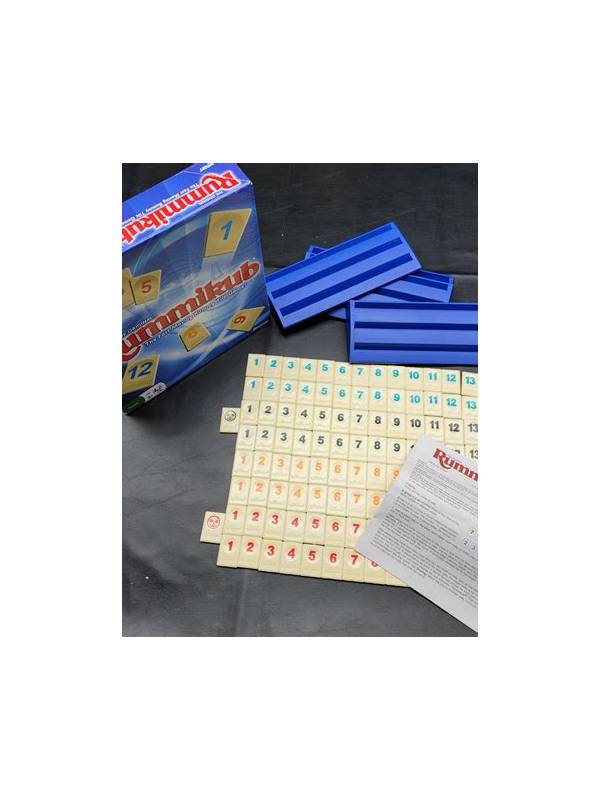
Rummy Guide: Use a Replacement Ladder for Loose Cards
A replacement ladder ranks loose cards by how easily their current role can be recreated. [...]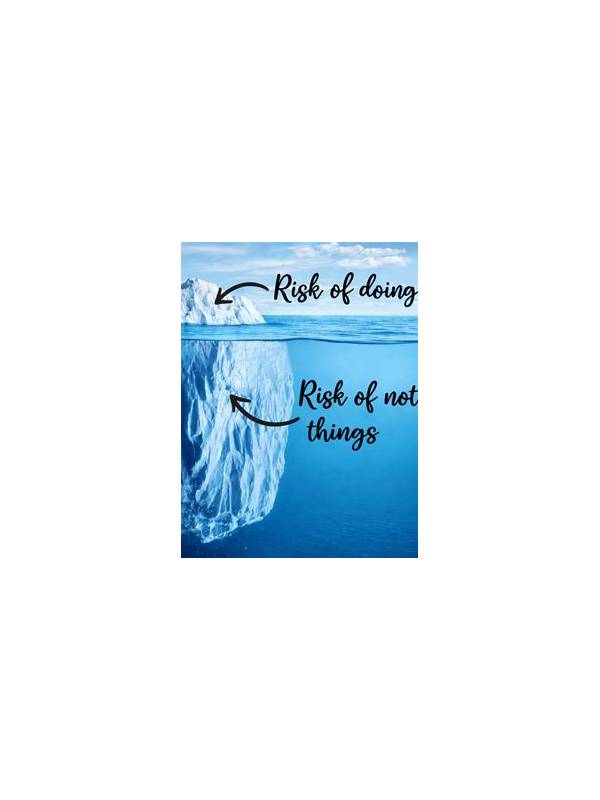
Rummy Comparison: Visible Risk and Hidden Risk
Separating visible risk from hidden risk helps rummy players avoid treating uncertainty as safety. [...]