Rummy Comparison: Visible Risk and Hidden Risk
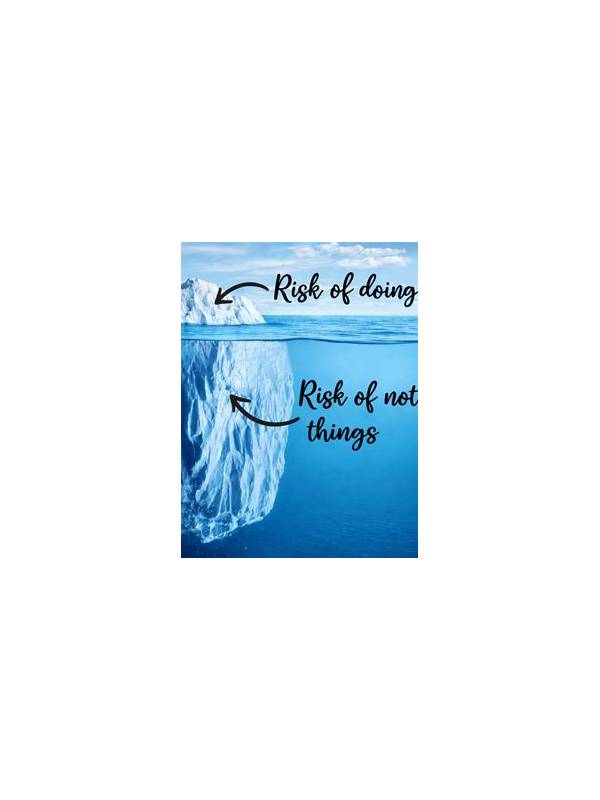
Rummy decisions contain two broad kinds of risk. Visible risk comes from facts you can see, such as high-point cards, known missing connectors, or a public opponent group. Hidden risk comes from unknown information, including unseen cards and uncertain intentions. Confusing the two can make a hand feel safer than it is.
Visible risk is easier to describe. If a single high card has no connection, its carry cost is clear. If several cards needed for a sequence are already exposed elsewhere, that route has a known constraint. If a discard completes an obvious opponent pattern, the danger is visible even though the outcome is not guaranteed.
Hidden risk is different. An unknown card may help you, help an opponent, or remain irrelevant. You cannot replace that uncertainty with certainty just because no warning sign is visible. “I have not seen the card” means unknown, not likely. The same applies to opponents: a quiet table does not prove that no one is building a related group.
Compare plans by naming both categories. For each candidate discard, write one visible concern and one unknown concern. Then decide whether the choice remains acceptable if the hidden concern goes against you. This is a compact version of a worst-reasonable-case test. It encourages resilience without pretending to calculate exact odds.
Information also changes the balance. A newly exposed card can reduce hidden uncertainty by making one route less plausible, but it may create visible risk elsewhere. A draw from the discard area gives you more knowledge about that card’s location while making your interest public. A draw from the closed deck keeps your intention less visible but reveals less about the remaining structure.
The distinction is useful in post-game review. Ask whether a mistake came from ignoring a fact that was available or from overreacting to an unknown. The first calls for better observation. The second calls for better uncertainty language and more flexible fallback plans.
Good rummy judgment does not eliminate hidden risk. It allocates attention: handle visible dangers directly, keep unknowns in proportion, and avoid building a plan that fails completely when an unseen card does not cooperate. That balance makes decisions calmer and easier to review.
With practice, the distinction becomes a quick mental check rather than a long calculation before every turn.
You can simply ask, “What do I know, and what am I assuming?” before accepting a risky-looking shortcut.
Related Post
Rummy Session Budgeting: Separate Time From Spending
Separating time and spending limits creates a clearer boundary for recreational online rummy sessions. [...]
Rummy FAQ: How Should You Handle a Rule Dispute?
A repeatable dispute process can settle rummy rule questions without turning one hand into a [...]