How to Make Rummy Notes You Will Actually Use
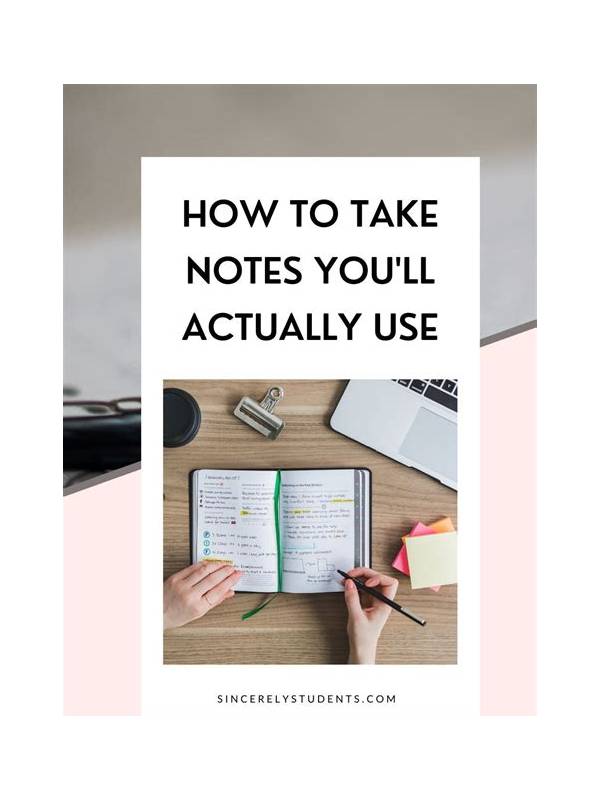
A useful rummy notebook is not a transcript of every card. It is a short record of decisions, evidence, and adjustments. If notes take longer than the hand review can support, they will quickly become a chore and disappear.
Choose three fields: situation, decision, and lesson. In the situation field, describe only the important context, such as “two possible sequences, one isolated king, short timer.” In the decision field, record the discard or draw and your reason. In the lesson field, write what you will check next time. This structure keeps the note focused on behavior.
Use neutral language. “I ignored the second sequence because I wanted to keep a speculative set” is more useful than “I played badly.” Neutral notes preserve the facts needed for improvement and make it easier to spot repeated patterns. If a choice worked, record why it was reasonable; do not assume the result proves the method.
Track only recurring categories at first. You might use labels such as grouping, discard value, joker use, timing, declaration check, or attention. After several sessions, count the labels. If timing appears often, practice under a comfortable timer. If declaration checks appear often, slow down at the end of each hand.
Review notes weekly rather than after every emotional result. Look for one change that can be tested in the next session. For example, decide to reassess an isolated high card after two turns, or to name each group before declaring. A testable adjustment creates better feedback than a general intention to “play smarter.”
Keep personal and financial records separate. A learning log should never become a reason to chase losses or raise entry amounts. If you play formats involving money, record limits and stop points independently and follow applicable rules. The purpose of notes is clearer thinking, not justification for continuing. A small, honest log can make improvement measurable while keeping the session manageable. Use dates and format names so notes remain understandable later. Avoid recording usernames, personal details, passwords, or payment information. If a hand involved a technical issue, describe the symptom without copying private account data. A clean learning record should help you recognize patterns while creating no new privacy risk. A note can be as short as two sentences. The first states the decision and evidence; the second states the next experiment. Short notes are easier to revisit, compare, and trust. If a pattern is not visible after several sessions, change the category or stop tracking it rather than forcing a conclusion.
Related Post
Rummy Safety: Take a Break After Repeated Mistakes
A short break can protect decision quality when mistakes begin to repeat during practice or [...]
Rummy Guide: Build a Rule Checklist Before Joining a Table
A compact rule checklist helps players confirm the format before making costly assumptions. [...]