Rummy How-To: Use a Stoplight System for Hand Decisions
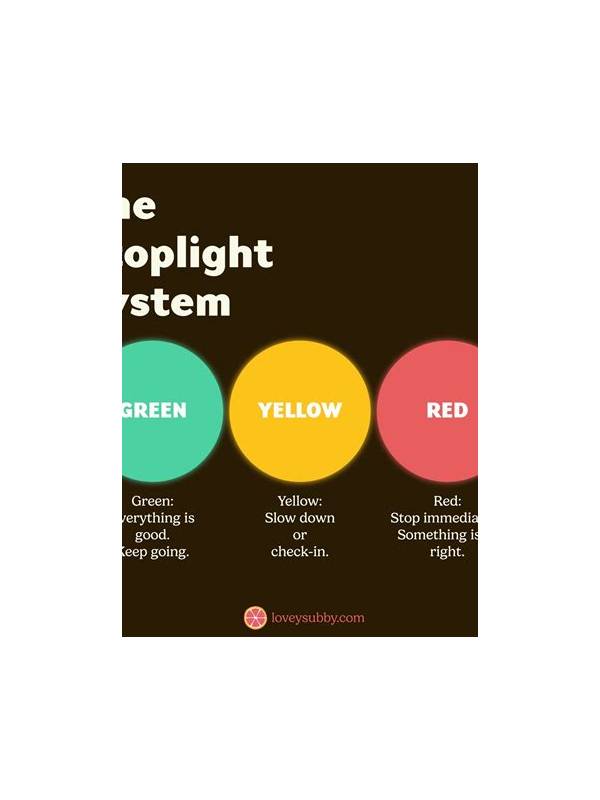
The colors should move as evidence changes. If everything remains green, you may be labeling hopes rather than roles; if everything is red, identify the foundation that deserves protection. The system is a prompt for honest assessment, not a substitute for rules or judgment. Use the colors to prioritize attention rather than to predict the winner. Green cards still require a valid plan, yellow cards deserve a review condition, and red cards should be compared by point cost and recovery potential. This makes the system useful in both quiet and pressured rounds. Update one color at a time if the hand is crowded; speed matters less than honest classification.
A stoplight system can make hand evaluation faster without pretending that rummy decisions are certain. Use green for cards or structures you actively protect, yellow for flexible possibilities that need review, and red for likely release candidates. The colors create a shared language for your own thinking.
Mark a card green when it belongs to a valid foundation or directly supports a route with several credible improvements. Green does not mean untouchable. If a new draw creates a much stronger arrangement, reassess it. The color simply says that discarding the card requires a clear reason.
Mark a card yellow when its role is unresolved. A middle connector, a pair with two possible group routes, or a joker awaiting assignment may belong here. Yellow cards deserve attention, not automatic protection. Give each one a review condition, such as the next draw, a change in the discard pile, or the point when the hand enters its final phase.
Mark a card red when it has poor connections, high exposure, or a route that has lost its support. A red card can become useful after a surprising draw, but holding it without evidence is costly. When choosing between red cards, release the one with the highest point risk or the fewest ways to improve.
Update the colors after every turn. The value of the system comes from movement between colors. If everything remains green, you may be labeling hopes rather than roles. If everything is red, stop and identify the one foundation that should be protected. The system is a prompt for honest assessment, not a substitute for rules or probability.
At the end of play, review one color change that improved your hand and one that you missed. This turns a simple visual technique into a repeatable learning tool.
Related Post
Rummy How-To: Use a Three-Question Discard Pause
Three quick questions can catch legality, penalty, and flexibility problems before a discard is confirmed. [...]
Rummy Review Timing: Separate Immediate Notes From Later Analysis
Use two stages of review to preserve factual rummy observations without overreacting to a result. [...]