Rummy FAQ: Can a Low Card Be More Valuable Than a Face Card?
Yes. In rummy, a low card can be more valuable than a face card when it connects cleanly with the rest of your hand. Printed value matters when an ungrouped card remains at the end, but the best decision is usually about how efficiently a card can become part of a valid meld.
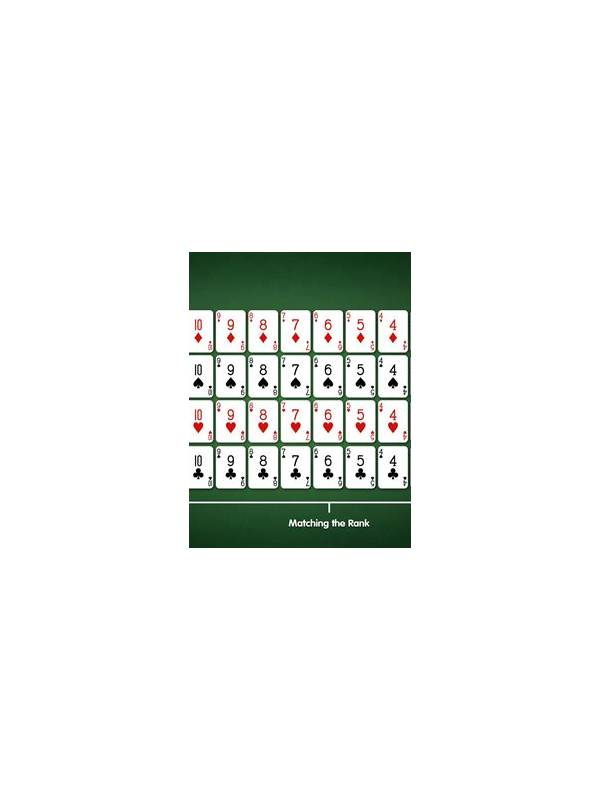
Imagine holding a five and six of the same suit while your other cards are scattered. A four or seven of that suit may be highly useful because either one can complete a short sequence. A queen held alone may carry more points, but it might have no immediate partner. Keeping the connected low card and releasing the isolated queen can improve both your structure and your defensive position.
There are exceptions. A low card that is isolated and unlikely to connect may be less useful than a face card that pairs with another face card or belongs to a promising set. A low card can also be misleading if it supports a sequence requiring several specific draws. Ask whether the card has more than one realistic route to a meld before you protect it.
Use three questions when comparing cards. First, how many cards can join this one? Second, does it help create a required pure sequence or another important group? Third, if the plan fails, how costly is the card to keep? These questions separate structural value from point value. A flexible medium card may pass the first test, while a high singleton fails all three.
The stage of the hand changes the answer. Early on, a low connector can be worth keeping because it preserves several plans. Later, if it still has not found a partner, its theoretical flexibility may no longer justify its space. Conversely, a face card that becomes part of a pair late in the hand may gain practical value.
Do not use “low is safe” as a rule. Evaluate every card in context, including the visible discards and the groups you still need. The strongest habit is to rank cards by usefulness, flexibility, and fallback cost. Point value belongs in that ranking, but it should not be the only factor.
This framework is especially helpful for beginners because it replaces a vague feeling of “good” or “bad” with visible tests. Say the tests aloud during free practice, then shorten them once they become familiar. The purpose is to recognize connections quickly without letting the number printed on a card make the decision for you.
Related Post

Rummy Tips: Keep a Separate Error Budget for New Variants
An error budget lets you learn an unfamiliar rummy format without risking an uncontrolled session. [...]
Rummy Safety: Verify Permissions Before Installing
A quick permissions review can help identify an app that asks for access unrelated to [...]