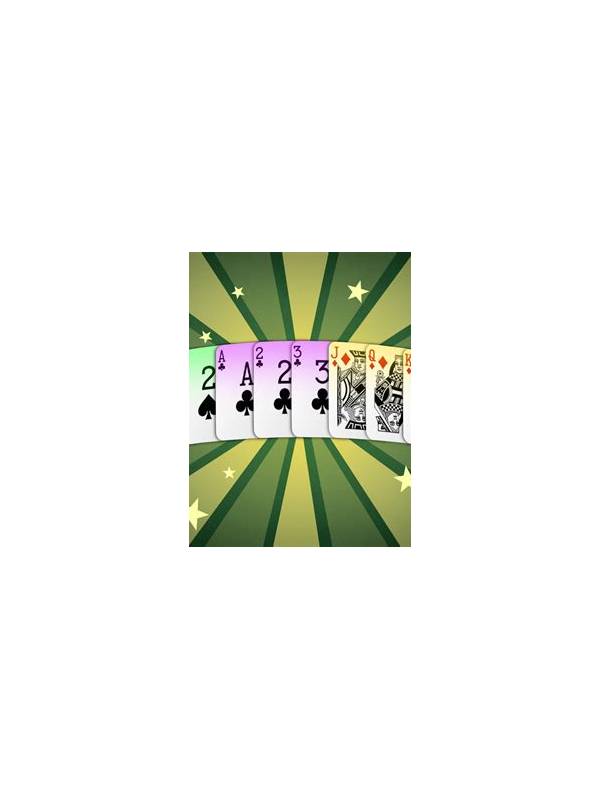
Rummy Practice: Reconstruct a Round From Memory
You can improve hand reading without immediately joining another round by reconstructing a finished hand from memory. The exercise takes only a few minutes and focuses on process rather than result. Use a paper deck or a blank note, and do not rely on a complete replay unless you are checking your work afterward.
Start with the opening shape you remember: strong sequence, several pairs, high-card risk, or a joker-centered hand. You do not need exact cards at first. Write down the first decision that changed your plan and why you made it. Then list the next two turning points, such as a useful draw, a discarded connector, or a group that became too narrow.
Next, recreate the hand at each turning point. If you remember the exact cards, arrange them into confirmed, promising, and loose zones. If details are missing, use a question mark instead of inventing certainty. The point is to distinguish what you observed from what you inferred.
Now compare your remembered plan with the final outcome. Did you keep a weak pair because it had worked in a previous hand? Did you overlook a natural sequence while chasing a set? Did the final result make an ordinary decision feel better or worse than it really was? Write one neutral lesson, not a verdict about your ability.
A useful variation is to reconstruct another player’s visible actions without guessing their full hand. Record only cards they drew from the open pile and the cards they released. Ask what those actions could mean, then list at least two explanations. This prevents a single signal from becoming an unjustified conclusion.
Finish by naming one behavior to test next time: sort the hand after every draw, set a deadline for a narrow plan, or check the required sequence before declaring. Keep sessions short and stop if review becomes frustrating. This practice is most effective when it produces a specific adjustment that you can observe later, not when it turns into endless analysis of an unknowable hand.
Keep the reconstruction separate from financial decisions. It is a learning exercise and should not be used to justify extending a session or increasing a stake. A short, neutral review can be completed after stopping for the day. That separation helps you study decisions with a clearer view of what was known and what was simply imagined. End by putting the cards away and returning to an unrelated activity. A clean ending keeps practice from becoming an excuse to continue playing.
Related Post

Rummy Tips: Mark the Moment a Plan Becomes Expensive
A plan becomes expensive when it consumes too many turns, cards, or safe alternatives, and [...]
Rummy How-To: Build a One-Minute Endgame Routine
Use a repeatable final check to reduce avoidable errors before a rummy declaration. [...]