Rummy Strategy: Separate Information From Assumption
Rummy rewards observation, but observation becomes less useful when it is mixed with certainty. A player may see an opponent take a card from the discard pile and immediately decide that the opponent is building a particular sequence. That conclusion might be right, yet it is still an assumption. Stronger decision-making keeps the visible fact separate from the story built around it.
Start by listing information that is genuinely available. You may know which cards have appeared in the discard pile, which cards you personally hold, and whether an opponent has drawn from the open pile. You may also notice how quickly a player discards or whether the table has become crowded with high cards. These are observations. They do not prove what anyone is holding.
Next, write two or three possible explanations. An opponent who takes a seven could need a six or eight, could be collecting a set, or could simply be removing a card from a previous plan. Keeping alternatives alive prevents one dramatic read from controlling the entire hand. You do not need to calculate every possibility. The goal is to avoid treating a plausible interpretation as a confirmed one.
Use the information to adjust risk rather than to make absolute predictions. If a card seems useful to another player, discarding it may be less attractive. If several cards of one rank are visible, a set involving that rank may be less likely, but it is not impossible. This kind of adjustment is modest and practical: it changes the order in which you compare discards while preserving flexibility.
Review your assumptions after the hand. Ask which clues were reliable, which were ambiguous, and which turned out to be noise. Do not judge the quality of a decision only by its result. A careful discard can be correct even when an opponent happens to draw the card you wanted. Likewise, a lucky result does not prove that a weak read was sound.
This information-versus-assumption habit is useful in every format. It keeps attention on cards, probabilities, and risk instead of imagined certainty. When the table becomes confusing, return to three questions: What do I know? What am I guessing? What decision remains reasonable under more than one explanation?
It also improves post-hand review. Describe what was observed before describing what you inferred. That wording keeps future adjustments tied to evidence and prevents a single surprising result from becoming a permanent rule.
Related Post
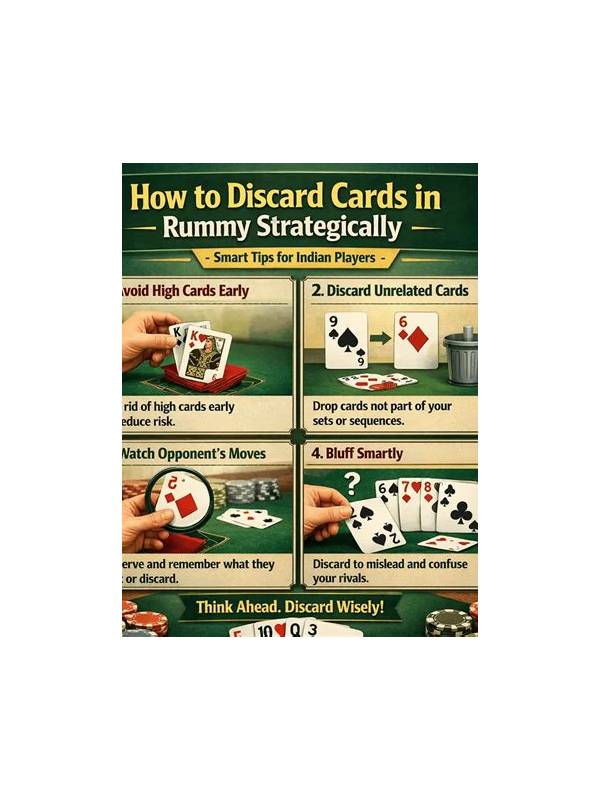
Rummy Strategy: Build a Discard Ladder
Ranking likely discards in advance makes difficult turns easier to handle. [...]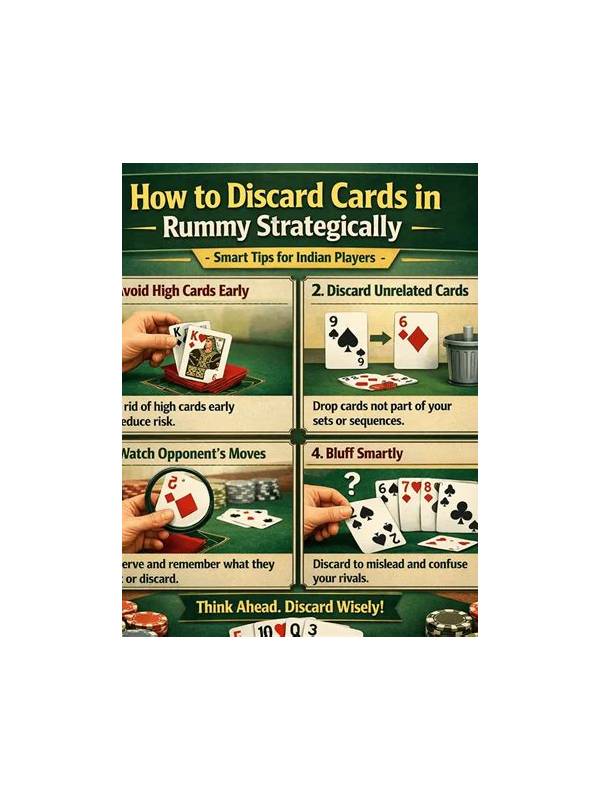
Rummy How-To: Explain a Discard Decision Clearly
Use a short decision statement to improve consistency and post-hand learning. [...]