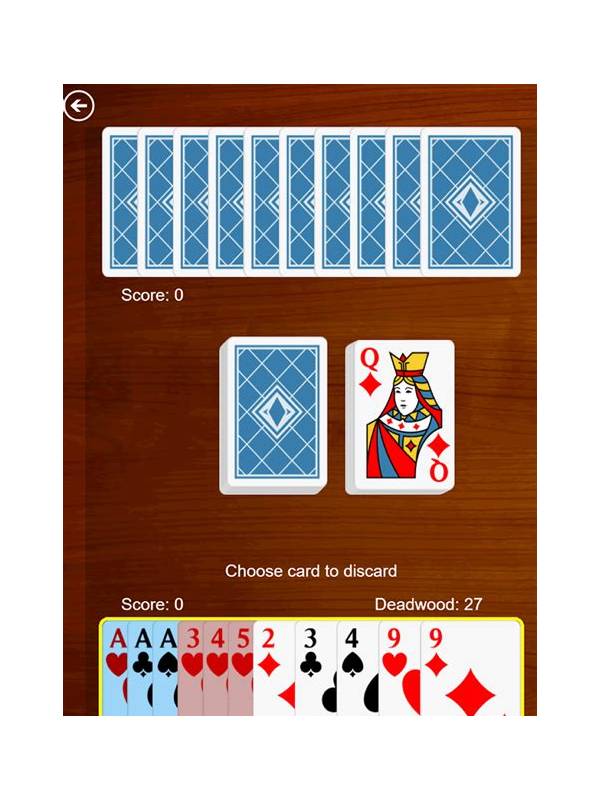
Rummy Comparison: Card Anchors Versus Card Bridges
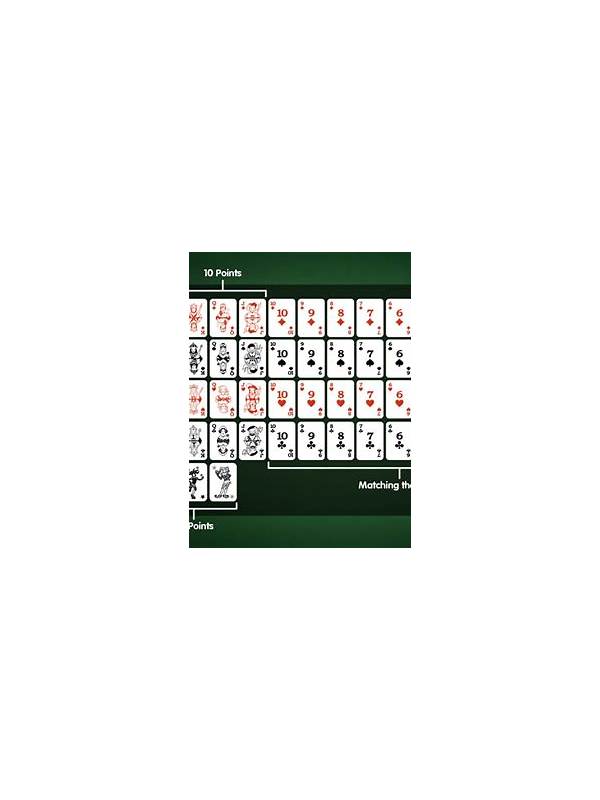
An anchor is a card or small group whose role is relatively clear. A bridge is a card that links two possible arrangements or helps you move from one plan to another. Both can be valuable, but they should not be judged by the same standard.
Anchors provide stability. A confirmed group or a strong sequence base can reduce the amount of unfinished work in a hand. Once an anchor is reliable, you can evaluate the remaining cards around it. The risk is overvaluing an anchor simply because it looks neat. A completed-looking area may still need a required condition under the format you are playing.
Bridges provide flexibility. A middle card may connect with several neighbours, or a duplicate may serve different group possibilities. Bridges are useful early because they keep routes open. Their risk is delayed commitment: holding too many bridges can leave the hand full of options but short of progress.
Compare them by stage and cost. Early in a hand, a bridge with several distinct uses may be worth more than a narrow anchor. Later, a reliable anchor may be more valuable because time and available draws are limited. A bridge should also have an exit. If it cannot join a route or be released safely, its flexibility is mostly theoretical.
When arranging cards, place anchors first and bridges between the routes they might support. This visual layout makes competition clearer. If one bridge is carrying too many imagined plans, choose the strongest plan and label the others conditional. That prevents the bridge from becoming a reason to postpone every discard.
The anchor-bridge distinction can change within one turn. A bridge becomes an anchor when a route is confirmed, while an old anchor can become a bridge if its original group is reopened. Notice the change instead of preserving the old label. This keeps your arrangement responsive and prevents a card’s history from controlling its present value. Judge the card by the job it can perform now.
After the hand, ask whether you confused appearance with function. Did an anchor actually reduce risk? Did a bridge create distinct routes or only one repeated hope? These questions are more useful than deciding that one card type is always better.
The comparison is a timing tool. Anchors help you consolidate; bridges help you adapt. Good decisions come from knowing which job your hand needs at the moment you must draw or discard.
Related Post
Rummy Guide: Build a Personal Review Vocabulary
A small vocabulary of repeatable terms makes post-hand rummy reviews more precise and useful. [...]
Rummy Strategy for Handling a Two-Card Gap in a Sequence
Learn when a two-card sequence gap deserves patience and when it should be abandoned for [...]