Rummy Guide: Three Questions for a Fresh Hand

The first few seconds of a rummy hand often create unnecessary pressure. A player sees several possible pairs, a high card that might connect later, and perhaps a joker that appears to solve everything. Instead of choosing a route immediately, use a three-question opening scan. It creates a repeatable starting point while leaving room for new information.
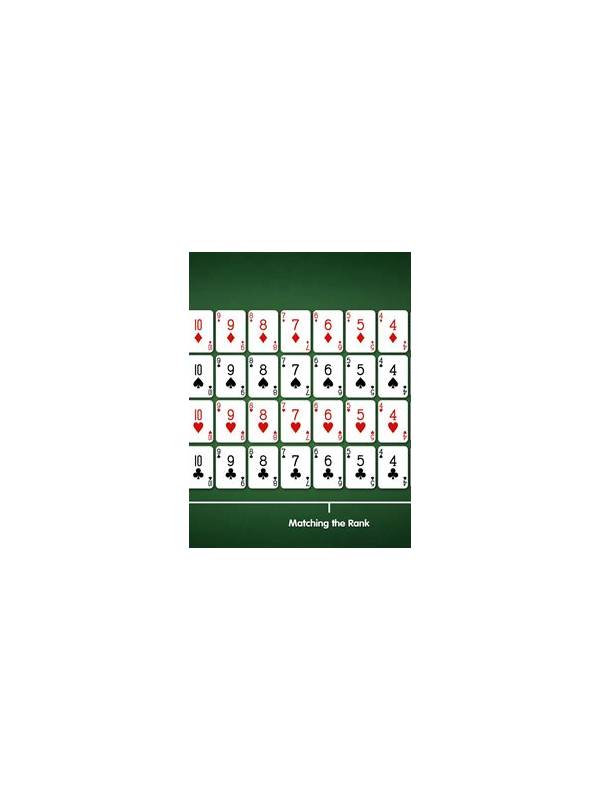
First ask, “Where is my clearest natural sequence?” Look for consecutive cards in the same suit, not merely cards with similar numbers. A natural sequence is valuable because it satisfies an important requirement without using a joker. It also gives you a reference point for sorting the rest of the hand. If you have more than one candidate, prefer the one that needs no missing card and uses cards with few alternative jobs.
Second ask, “Which cards have more than one reasonable job?” A middle card may connect on either side, belong to a possible group, or support a second sequence. Mark these cards mentally as flexible. Do not immediately place them into your first arrangement. Flexibility is useful early because a draw may make one plan much better than another.
Third ask, “What is the cheapest card to release if nothing improves?” This is not a prediction about the next discard. It is a safety check. High cards with no clear connection often carry more penalty than low cards, but a low card that blocks a strong route may be the better release. Compare both points and opportunity cost before deciding.
After the scan, arrange your hand into three zones: confirmed work, possible work, and release candidates. Confirmed work contains combinations you would keep unless the rules or a new card change the situation. Possible work contains flexible cards and incomplete routes. Release candidates contain cards that have weak connections and expensive alternatives.
The scan should take less than a minute. Its purpose is not to produce a perfect forecast; it is to prevent the first attractive pair from controlling every later decision. Repeat the questions after a meaningful draw or when an opponent’s discard gives you new information. A calm opening scan turns a crowded hand into a manageable set of decisions.
For practice, use the scan with an imaginary hand and say the answers aloud. This exposes vague thinking quickly. If you cannot name the clearest sequence, classify the cards as possibilities instead. If every card appears flexible, choose the route with the lowest penalty while waiting for evidence. The scan is also useful after a new draw makes an earlier conclusion obsolete. Repeating the questions is faster than defending an old arrangement. Keep the habit independent of the result. A hand can lose even after a sensible opening, because chance and other players still matter. The value of the scan is that it gives the next turn a clear starting point and makes later review easier.
Related Post

Rummy Practice Note 173: A Structured ReviewRummy Guide: Build a Small Inventory of Missing Ranks
A structured original note for reviewing decisions and safer play.Track the ranks your hand needs [...]
Rummy How-To: Review a Hand With Neutral Questions
A neutral review separates decision quality from the cards that happened to appear. [...]