Rummy Comparison: Flexible Plans Versus Simple Plans
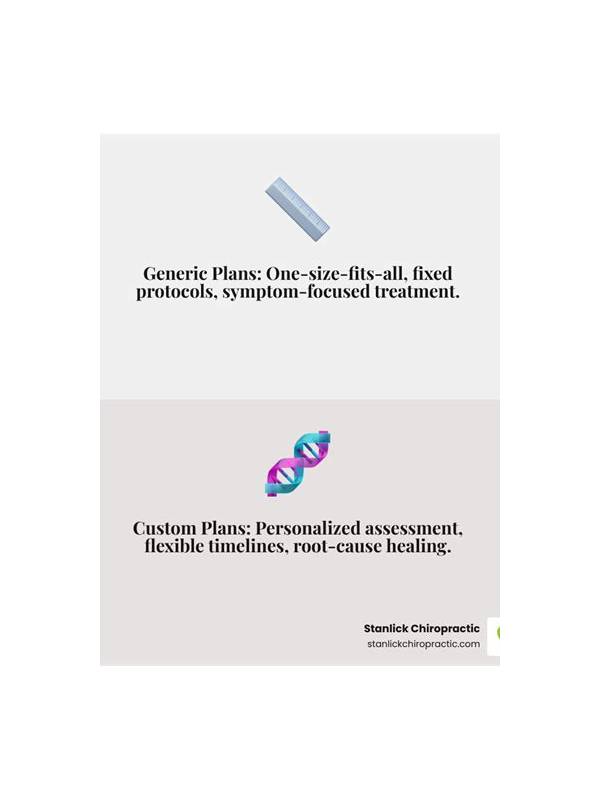
Flexibility is useful in rummy, but more options do not always mean a better plan. A hand with several possible groups can become difficult to manage if each option depends on a different exact card. A simple plan may be stronger when it has clear requirements and a lower cost of change.
To compare plans, list the groups each plan protects and the cards each plan still needs. A flexible plan may have three possible routes, yet require five different missing cards. A simple plan may have one route that needs two cards. The first offers choice; the second offers clarity. Neither is automatically superior, so compare the actual repair paths.
Also compare the damage caused by failure. If a flexible plan can be abandoned without breaking confirmed groups, it has useful resilience. If changing it forces you to discard a high card late in the round, its apparent flexibility may be cosmetic. A simple plan can be safer when it leaves an obvious fallback.
Jokers and completed groups should be included in the comparison. A plan that relies on a joker may finish quickly but leave an important requirement unmet. A plan that keeps a completed pure sequence may look less flexible but can provide a stable foundation. Score the requirements first, then the optional routes.
Choose the flexible plan when its options are genuinely distinct, its missing cards are realistic, and its fallback cost is low. Choose the simple plan when it satisfies a key requirement, uses fewer fragile assumptions, or makes the discard decision clearer. Recheck the choice after a meaningful draw or visible change.
The point is not to simplify every hand. It is to avoid confusing complexity with progress. A plan is good when it gives you a valid route and a sensible next action. Whether that route is broad or narrow matters less than how honestly you understand its costs.
Begin with the plan that satisfies the most important requirement and has the clearest next discard. Keep alternatives in reserve rather than developing all of them at once. If a new card changes the balance, switch deliberately and identify what improved. That explanation prevents random rearrangement from masquerading as strategy.
Simple does not mean passive. A clear plan can be updated when evidence changes, and a flexible plan can be simplified when one route becomes dominant. In both cases, the goal is a legal, understandable path through the hand.
Related Post
Rummy Plan Labels: Name Ideas So They Do Not Compete
Short labels make competing rummy hand plans visible and easier to compare. [...]
Rummy Comparison: Low-Risk Discards Versus High-Value Discards
The safest discard is not always the lowest-point card, so compare point exposure with the [...]