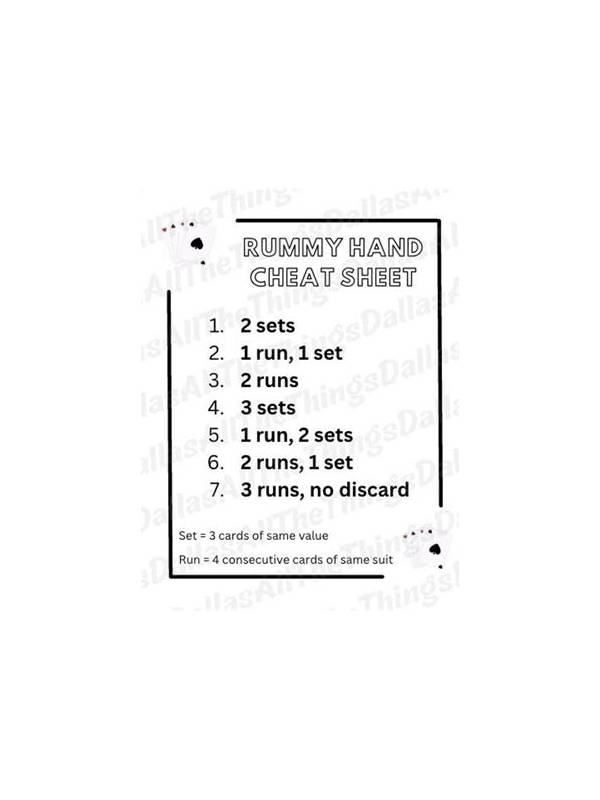
Rummy Draw Choices: Comparing the Stock and Discard Pile

The choice between a face-down stock card and the top of the discard pile is more than a search for a matching rank. Each option carries a different information cost. The stock hides its identity, while the discard pile offers certainty but tells opponents that the visible card may fit your hand.
Begin with the card’s immediate contribution. Does it complete a pure sequence, create a second viable group, or merely produce a pair? Rank the improvement honestly. A card that completes one legal requirement is usually more valuable than a card that gives you two attractive but unfinished pairs.
Then consider what you reveal. Taking a discard may help opponents infer a suit, rank, or sequence direction. This is not always a reason to refuse the card; information matters only when the improvement is small enough for the disclosure to outweigh it. If the card completes a critical group, accepting that trade can be sensible.
Look at the cards you would keep after the draw. A useful card can still leave several high-point isolates behind. Compare the whole resulting hand with the best arrangement after an unknown stock draw. The hidden option may be preferable when your hand needs broad flexibility, while the visible option is stronger when it solves a precise structural problem.
Watch repeated discards as clues, but avoid treating them as certainty. Players may discard a card because it is useless to them, because they are protecting a plan, or because the table rules make another choice safer. Use the pile as one source of information alongside your own hand and the pace of play.
Before selecting, say the reason in one sentence: “This discard completes my natural sequence,” or “The stock keeps more routes open.” If you cannot give a clear reason, pause and reorganize the hand. A short explanation encourages a complete comparison and makes the decision less dependent on impulse.
Earlier interest is not a permanent obligation. Reassess a wanted card against the hand you have now, including groups that became complete since the last turn. A visible card can lose value when it no longer improves the best arrangement, just as an ignored card can become important after a connecting draw.
The same principle applies to a card that another player appears to need. Avoid discarding it only because you hope to create a puzzle for someone else. Your own structure and penalty exposure should remain the main criteria. Observation is useful when it improves your comparison, not when it encourages elaborate guesses about hidden hands.
Related Post
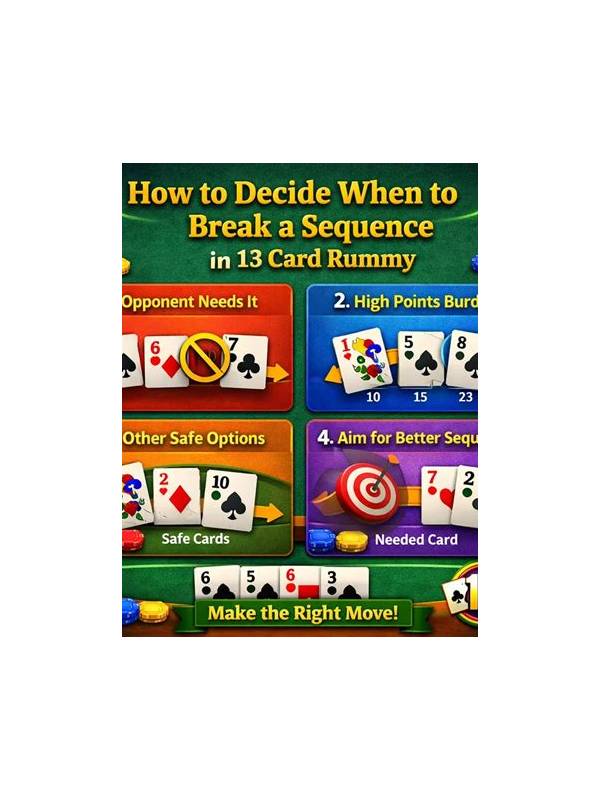
How Turn Order Changes an Indian Rummy Decision
Turn order changes the information available to a player, so each draw should be judged [...]
Rummy Comparison: Visible Structure Versus Hidden Potential
Comparing a clear current sequence with a speculative future route helps clarify early rummy choices. [...]