How to Review a Rummy Hand Without Blaming the Last Draw
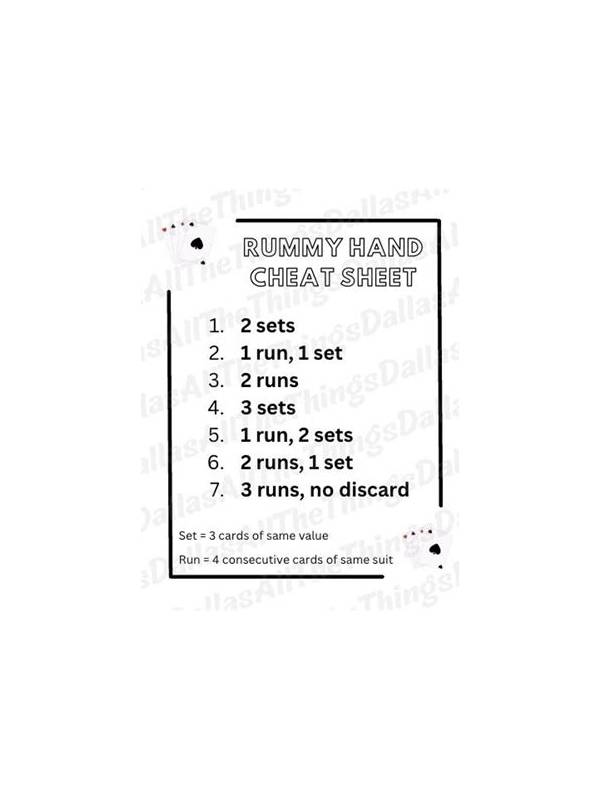
A useful rummy review is not a search for one unlucky card. The last draw is memorable, but it may not be the reason a hand became difficult. A calm review separates what the deal gave you from the choices you controlled, allowing practice to improve decisions instead of creating superstition.
Start by recording the opening structure in plain language. Note whether you had a natural connection, a pair, several high cards, or mostly isolated cards. Do not judge it immediately. The purpose is to create a baseline so you can see whether the hand was difficult from the beginning or became difficult after a particular choice.
Next, identify the first decision that changed the shape of the hand. Perhaps you broke a small sequence to chase a set, took a card that revealed your plan, or held a high card for too many turns. Ask what information was available at that moment. A decision can be reasonable even when the result is poor, and a lucky result does not automatically make a weak decision sound.
Review alternatives at only two or three key turns. Comparing every possible move creates noise. For each selected turn, write the best alternative and its trade-off. One option may have offered more outs, while another reduced points if the hand ended suddenly. This makes the evaluation practical and prevents hindsight from pretending that the future was visible.
Include table conditions. A slow connection, a short timer, unclear variant rules, or a distracting environment can change performance. Those are not excuses, but they are useful variables. If a problem repeats, address the condition before trying to invent a more complicated strategy.
Finish with one adjustment for the next session. It might be “check for the pure sequence before chasing a set” or “discard isolated high cards earlier.” Keep the lesson specific and measurable. Then close the review and move on. Rummy contains unavoidable variance; the goal of reflection is to improve your process without carrying one hand’s frustration into the next.
If you cannot remember a turn, do not invent a precise explanation. Mark the gap and use it as a practice target. Better notes may include the visible discard pile where permitted, but reliable evidence is more valuable than a confident story created after the result is known.
Reviewing this way also protects confidence. You can acknowledge a missed opportunity without deciding that the entire hand was under your control. Over time, repeated evidence will show which choices deserve work and which outcomes were simply unfavorable. That distinction keeps learning honest and prevents an emotional review from becoming another source of poor decisions.
Related Post
Rummy How-To: Estimate Remaining Useful Cards
A simple outs estimate shows whether a developing group has enough realistic support to keep. [...]
Rummy Safety: Audit Links Before Downloading a Game File
Follow a cautious checklist for evaluating a download link before opening an unfamiliar game file. [...]