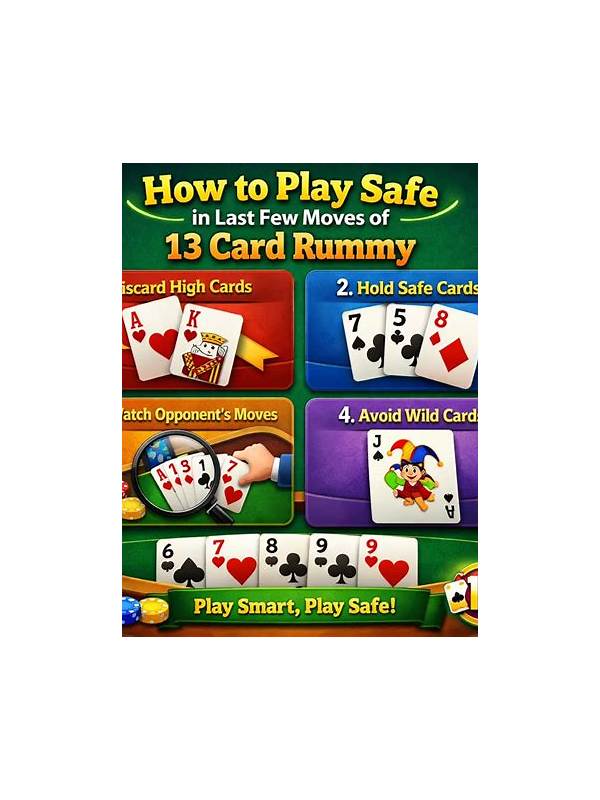
How to Protect Your Rummy Session From Small Distractions
Distraction affects rummy in small ways: a missed discard, a rushed click, or a forgotten table rule. You do not need a perfect room to concentrate, but a few preparations can remove avoidable interruptions and make your session easier to control.
Start with the device. Charge it, close apps that create notifications, and check that the connection is stable. If you use mobile data, know whether the signal is reliable in the place where you intend to play. A game should not become a test of battery life or multitasking. These checks also reduce the temptation to blame technical problems for a decision you did not have time to consider.
Choose a session length before opening a table. A clear endpoint makes it easier to stop after a hand and prevents “one more round” from replacing a planned break. The endpoint can be time-based or hand-based. Whatever you choose, treat it as part of the session design rather than as a suggestion to ignore when emotions rise.
Keep only useful information in view. If you are learning a variant, place the official rules or a short personal note nearby, but avoid filling the screen with unrelated tabs. Arrange your cards consistently so a glance shows sequences, sets, and isolated cards. A familiar layout saves attention for evaluating draws and discards.
Use interruptions as a stop signal. If someone needs your attention, if a call arrives, or if the environment becomes noisy, finish the current safe action only when possible and leave the table according to its rules. Do not make a hurried declaration simply to return to another task. Protecting attention is part of responsible play.
After the session, note whether the preparation worked. Maybe notifications were still too frequent or the chosen time was too late in the day. Make one adjustment next time. Consistent surroundings cannot control the cards, but they can make the choices around those cards clearer.
Tell people nearby when you need a short uninterrupted period, and keep water or a brief stretch available so comfort does not become another distraction. If the setting cannot be quiet, use shorter sessions and stop when you are acting without reading the full hand. Adapting the session is more reliable than expecting concentration to overcome every interruption.
Sound can be part of the setup too. Lower notification volume, use approved in-app sound controls, and avoid headphones if they make you miss an important environmental cue. The right choice depends on your surroundings. What matters is that sounds are predictable and do not repeatedly pull attention away during the few seconds available for a draw or discard.
Related Post

Rummy Safety: Review App Permissions Before Playing
A quick permissions review can reveal whether a gaming app is asking for access unrelated [...]
Rummy Safety: A Simple Checklist for Account Recovery Messages
Use a calm verification routine before responding to any message about a rummy account. [...]