Rummy Sets and Sequences: How to Choose Between Similar Groups
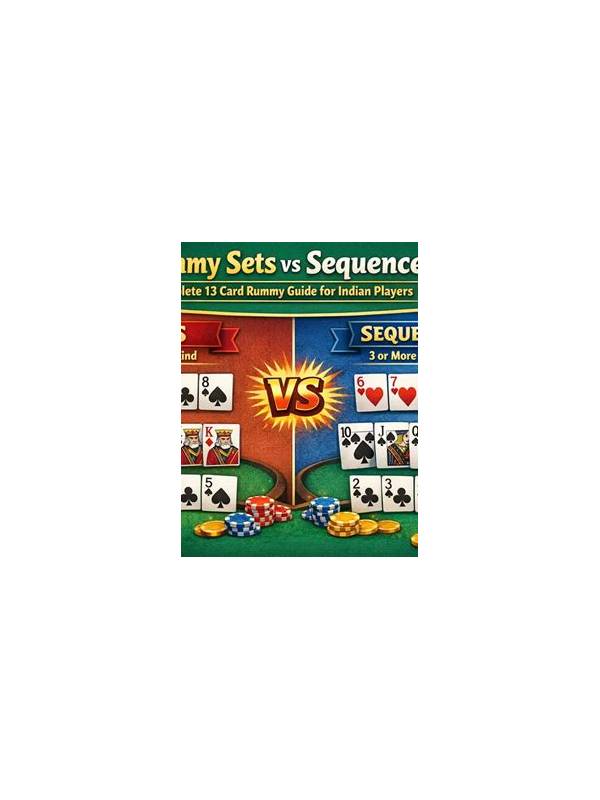
When a hand contains several pairs, it can be tempting to decide immediately that the next card will determine everything. A better approach is to compare the groups by legal importance, completion routes, and the cards left outside them. Sets and sequences are both useful, but they do not create the same kind of flexibility.
First check the format’s declaration requirements. If a natural sequence is mandatory, protect that requirement before building optional sets. A pair of matching ranks may look efficient, yet it does not solve the central problem if no pure sequence has been secured. Confirm the rule for the table before applying any general strategy.
Next count completion routes. A connected run may accept cards on one or both ends, while a set may need one of the remaining cards of the same rank. The visible hand and discard pile influence those routes. Do not count a card as useful merely because it is theoretically possible; consider whether it is still unseen and whether taking it would create another weakness.
Examine the leftover cards after each candidate grouping. A set can neatly absorb three matching ranks and leave a sequence plan untouched. A sequence can connect several cards at once but may leave a high isolated card on either side. Prefer the arrangement that reduces the number and value of ungrouped cards while preserving at least one alternative.
Avoid breaking a confirmed pure sequence for a speculative improvement unless the new structure clearly solves a greater problem. Completed groups provide stability. If you must break one, identify the exact benefit and the replacement route before doing it, rather than hoping the next draw will explain the decision.
The final choice is often temporary. Keep the hand arranged so a new card can be evaluated against both plans. Flexibility is not indecision; it is a deliberate refusal to close a route before the evidence supports it. Compare the groups, protect the required structure, and let the strongest complete plan emerge.
Give each plan a temporary label, such as “run first” and “set first.” After the next draw, ask which label now has the better completion path. This prevents the hand from becoming disconnected pairs and makes it easier to reverse an earlier assumption. Labels are planning aids, not commitments; remove one when its route stops being realistic.
When both plans are close, use the leftover cards as the tie breaker. Choose the arrangement that leaves fewer expensive isolates and more than one reasonable next draw. This is a practical way to respect both immediate completion and future flexibility. It also gives you a clear reason for the choice when no group is obviously superior.
Related Post

Rummy Discard Quality: Use a Two-Stage Safety Check
Screen every discard for both personal cost and the information it may provide. [...]
How to Compare Two Rummy Plans Before You Commit
Compare competing meld plans by flexibility, cost, and the number of cards still needed. [...]