How to Read a Rummy Table Pace Without Guessing Opponents’ Cards
Table pace can provide context, but it cannot reveal an opponent’s hand with certainty. A quick action may reflect a familiar situation, while a long pause may reflect a connection problem or a difficult choice. Use pace to manage your attention, not to create a story that overrides the cards you can actually see.
Begin with the table’s normal rhythm. Notice whether everyone has similar time, whether one player is repeatedly interrupted, and whether the format encourages rapid turns. A single slow action means little. Repeated changes are more useful as reminders to stay alert, especially near a possible declaration.
Combine timing with visible discards. If a player consistently rejects cards from one suit, that may suggest—but does not prove—that the suit is less useful to them. If they take a visible card quickly, the card may complete a group, or they may simply prefer certainty. Treat each observation as a small clue with a confidence level rather than a fact.
Do not alter a sound hand solely to confuse an opponent. Breaking a completed sequence or holding a costly card can be worse than revealing a general direction. Your first responsibility is to meet the format’s requirements and reduce your own risk. Information management matters, but it should support a legal, flexible hand.
Pace is most valuable as a concentration signal. When the table accelerates, check the timer and your grouping before acting. When it slows, resist filling the silence with an impulsive draw. Maintain the same decision routine in both situations so external rhythm does not dictate your choices.
After the hand, compare your predictions with what was actually visible, if the platform shows it. This teaches you how often pace and discards were informative. The lesson is not to become a mind reader; it is to use limited information carefully and keep uncertainty in view.
Avoid announcing conclusions through chat or table comments. Confident claims about another player’s hand can affect the social atmosphere without improving your position. Quiet observation is enough. Keep your routine focused on legal groups, useful draws, and penalty reduction, and use pace only to decide when an extra careful check is worthwhile.
The most dependable information remains the card you draw, the card you discard, and the rules of the table. Pace can tell you to slow down and inspect those facts, but it cannot replace them. Keeping that hierarchy clear prevents an interesting observation from becoming an expensive distraction during a critical turn.
Related Post
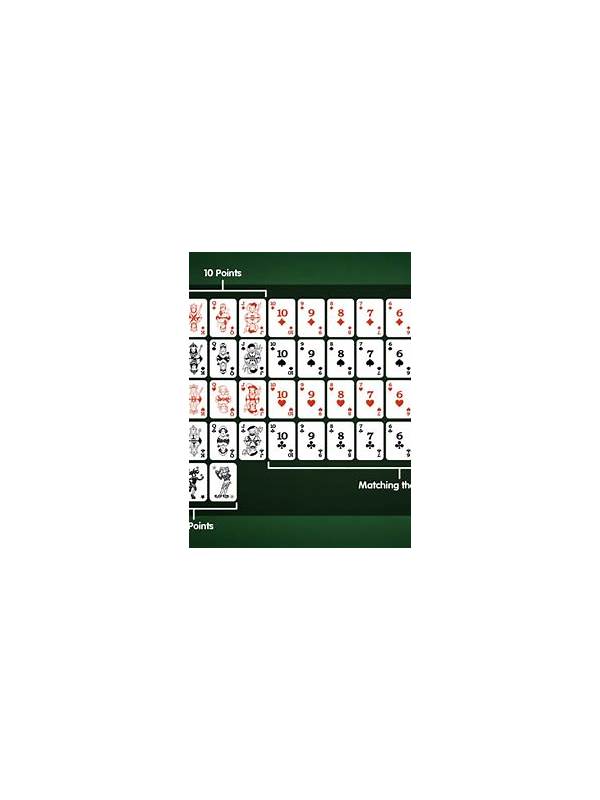
Rummy Card Value: Balance Points and Flexibility
A useful card-value review considers both penalty points and the chance of forming a valid [...]
Rummy Guide: Build a Card-Need Matrix
Use a small matrix to compare what each incomplete group needs and where your hand [...]