Rummy Guide: Audit the Hand Before a Fast Declaration
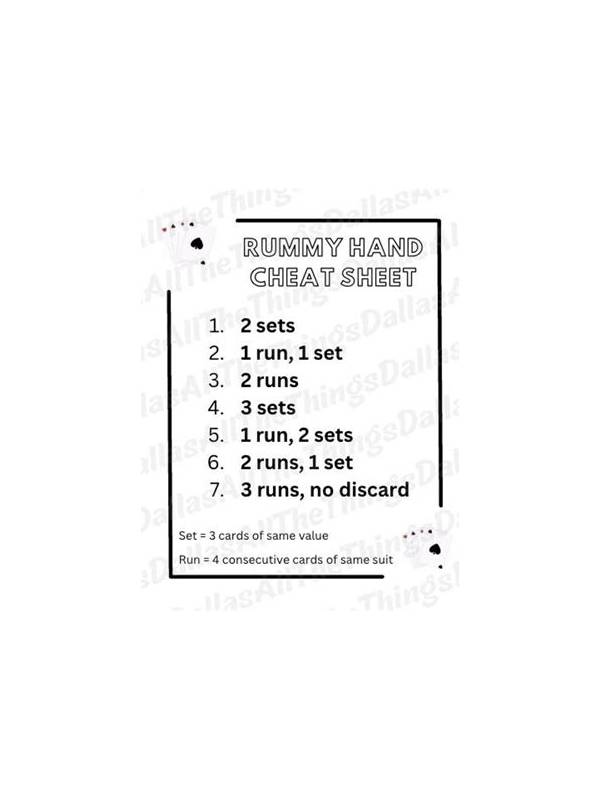
A fast declaration deserves a fast audit. Excitement and time pressure can make a hand look complete when one card is still ungrouped or a sequence does not meet the table’s rules. A fixed audit reduces avoidable errors without requiring a long pause.
First, count the groups. Mark each sequence and set separately instead of judging the hand as one visual block. Confirm that the required number of sequences exists and that any required pure sequence is genuinely pure under the applicable rules. Do not rely on color, position, or a familiar pattern alone.
Second, inspect each group from its edges. For a sequence, check suit consistency and rank order. For a set, check that ranks match and suits are not duplicated where the rules prohibit duplicates. A joker or wild card should be identified explicitly, including the card it represents. If its role is unclear, stop and resolve that uncertainty.
Third, account for every card. There should be no loose card hidden between groups and no card counted twice. Move the groups apart visually or use a simple mental count. This step catches errors that a quick scan misses, especially after several rearrangements.
Finally, confirm that the action you are about to take matches the platform’s declaration flow. Rules, timers, and penalties can differ. Read the result message after submitting and record any correction for future practice. Never assume a visually correct arrangement overrides the published rules.
The audit should be calm and repeatable: groups, rules, roles, count, action. If time expires during an audit, accept the outcome rather than making a frantic rearrangement that could destroy a valid hand. Accuracy improves with practice, but a checklist remains useful even for experienced players because confidence is not proof.
Practice the audit away from live play. Deal a sample hand, arrange it quickly, and then run the checklist without changing the groups. Notice which mistakes your eyes skip. You can also make a personal version for the rules you use most often, provided it remains short. A checklist should support attention, not replace reading the current table instructions when formats differ.
When an audit finds an error, correct the process rather than merely memorizing the specific hand. Ask whether the mistake came from counting, suit recognition, joker interpretation, or the declaration controls. Then add one reminder to your practice routine. Repeated small checks are more reliable than confidence based on a single successful declaration.
Related Post

Rummy Safety: Recognize Pressure From Urgent Promotions
Urgent promotional language can push rushed decisions, so players should verify terms and keep spending [...]
Rummy Guide: Use a Three-Question Endgame Check
A compact endgame check can reveal whether to finish a meld, reduce points, or preserve [...]