Rummy Guide: Test One Habit With a Short Practice Drill
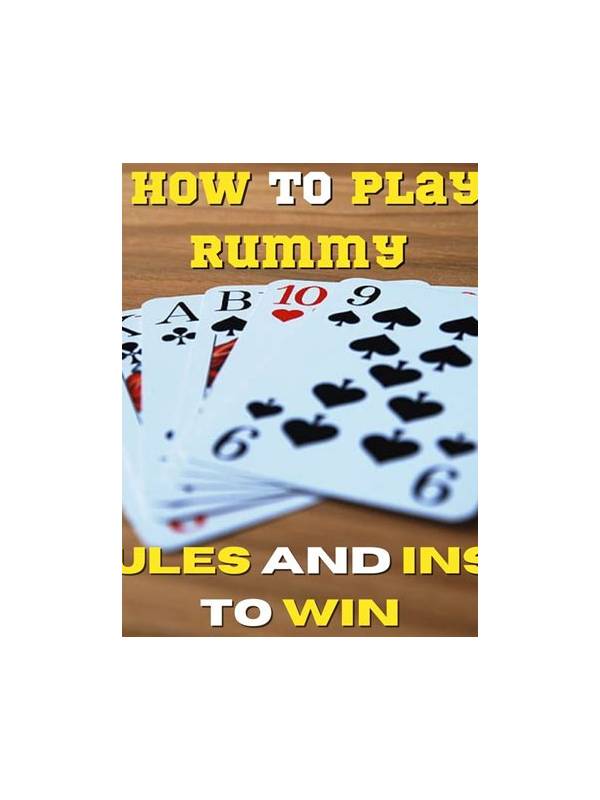
Practice becomes more useful when it has one clear subject. Instead of trying to improve every part of your rummy play at once, choose a decision such as opening discards, shared cards, or end-of-round cleanup. A narrow drill gives you enough repeated examples to notice patterns.
Before starting, define the question in one sentence. For example: “Do I release isolated high cards earlier?” or “Do I protect a flexible link too long?” During the session, mark the relevant decision mentally or in a short note. Record the hand position, the candidate choices, and what happened later. Do not record only wins and losses; those outcomes are too noisy to explain a decision by themselves.
After several examples, review the notes. Look for repeated conditions. Perhaps the same discard was good when the hand had two strong groups but poor when it was your only flexible card. Those conditions matter more than a simple rule such as “always discard high cards.” Turn the observation into a small adjustment you can test in the next drill.
Keep the drill short enough to stay attentive. A focused set of hands followed by a review is usually better than a long session in which decisions become automatic. If you notice frustration or fatigue, stop and record that as part of the experiment. Tired choices do not provide clean evidence.
Practice is not about proving that one style always wins. It is about learning which signals deserve more weight in your own decisions. One question, repeated observation, and a short review can produce more useful feedback than a vague goal to “play better.”
Use a consistent score for the drill if a score is helpful, but do not let it replace the notes. You might rate whether the decision followed the stated rule, whether the alternative was considered, and whether the hand remained manageable afterward. These process scores are more informative than a single win. Over time, they show whether the drill is changing your behavior under ordinary game pressure.
Change only one feature between drills when possible. If you alter your opening discard, timing, and review method at the same time, you will not know which change mattered. Keep examples that challenge your rule as well as examples that support it. A practice method is stronger when it explains exceptions and tells you when to stop applying a rule, rather than simply rewarding repetition.
Related Post

Rummy How-To: Create a Hand-State Bookmark
A hand-state bookmark gives players a quick reference point after a confusing draw, interruption, or [...]
Rummy Tips: Protect Your Attention During Long Sessions
Simple attention habits can reduce rushed choices and help a rummy session remain deliberate. [...]