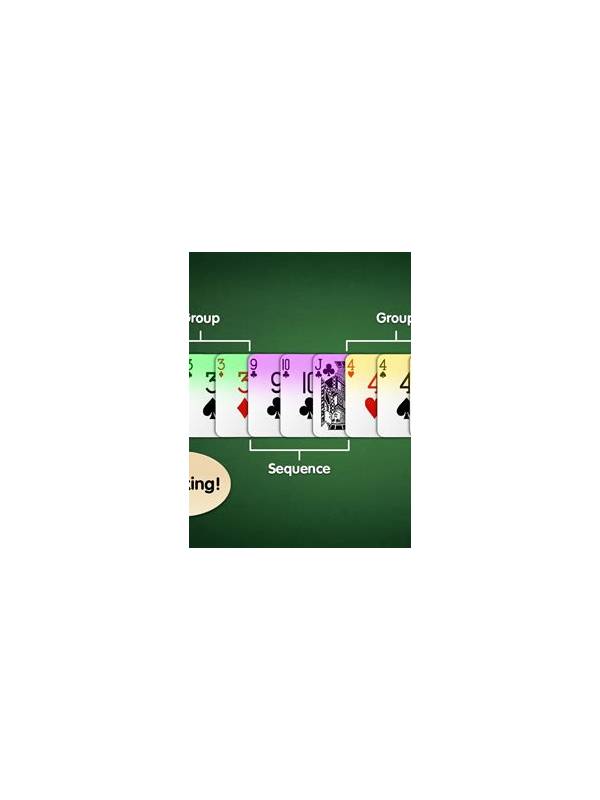
Rummy Tips: Protect Your Attention During Long Sessions
Long rummy sessions create a special problem: the rules may remain familiar while the quality of attention quietly declines. Players often notice only after a missed sequence, an automatic discard, or a decision made without checking the full hand. Protecting attention is therefore part of practical session management.
Start by choosing a modest session length before you join a table. A time limit is easier to respect when it is decided while you are calm. Include a short break rather than treating the limit as an endurance target. During the break, step away from the screen, stretch, and let your eyes focus on something distant. The purpose is recovery, not reviewing every previous mistake.
Use a repeatable turn routine. Look at the drawn card, scan for complete sequences, check which cards have two possible homes, and then compare likely discards. A routine reduces the mental work needed to remember what to inspect. It also makes it easier to notice when fatigue has caused you to skip a step. Keep the routine brief enough that it remains practical under normal table speed.
Reduce avoidable distractions. Put notifications on silent, close unrelated tabs, and keep the playing screen at a comfortable size. If noise is unavoidable, choose a quieter setting or use neutral background sound. Avoid multitasking with work or entertainment; split attention makes small errors more likely and makes the session feel longer.
Pay attention to warning signs. Re-reading the same cards, feeling unusually irritated by ordinary delays, or clicking before you have formed a plan are reasons to pause. A losing streak is not itself proof that you must stop, but frustration combined with poor concentration is meaningful information. End the session if you cannot follow your routine reliably.
Attention is not a personality trait that must be forced. It is a resource that can be budgeted, refreshed, and protected. Shorter sessions, consistent checks, and a clear stopping rule usually produce more useful practice than simply remaining at a table for as long as possible.
Afterward, note whether your final decisions felt deliberate. That simple question can reveal fatigue before a result does. If concentration was uneven, treat the next session as a shorter experiment with an earlier break, not as a test of willpower.
Related Post

The Ultimate Guide to the Best Rummy 51 Wala App
The Ultimate Guide to the Best Rummy 51 Wala App Are you looking for the [...]
Rummy Safety: Recognize When a Competitive Table Feels Unhealthy
Clear boundaries and respectful conduct help keep competition enjoyable when a table becomes tense. [...]