How to Review a Rummy Hand in Under Two Minutes
A useful rummy review does not require a complete replay of every turn. Two focused minutes are enough to capture the decisions most likely to improve your next hand. The purpose is learning, not self-criticism.
Begin with the opening hand. What was the first clear plan you saw, and when did you abandon it? If you never had a plan, note whether sorting the cards would have exposed one. This question separates a genuinely difficult hand from an avoidable organization problem.
Next, identify the first expensive card you kept too long. High cards can be reasonable to hold when they support several groups, but they become costly when their only justification is that they might improve later. Record the turn when the card stopped having a realistic role. You do not need to calculate the perfect discard; simply find the point at which the risk became visible.
Review your use of the discard pile. Did you take a card because it completed a useful connection, or because it looked attractive in isolation? Did you release a card that gave an opponent an obvious connection? These questions help distinguish purposeful information use from impulsive collecting.
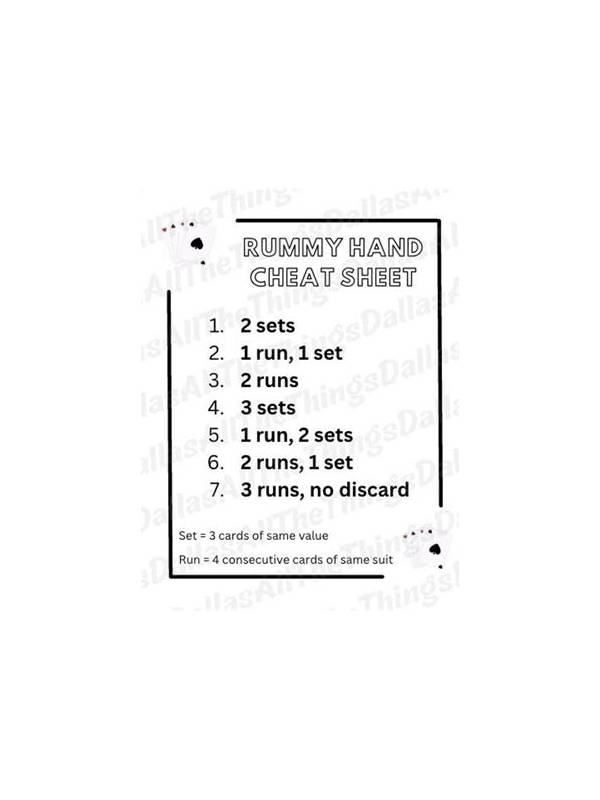
Check the hand requirement before the ending. If the format requires a pure sequence or another condition, ask when you first verified it. Many failed declarations are not caused by a lack of good cards; they are caused by forgetting the structural requirement until the last moment.
Look for one emotional decision. Perhaps you chased a nearly complete sequence after several misses, tried to recover a lost score immediately, or rushed because another player appeared close to finishing. Labeling the moment is valuable because emotions often repeat across different hands.
Write one sentence for next time. Make it observable, such as “After two turns without a connector, I will reassess the plan,” rather than vague advice like “play better.” A measurable rule is easier to test.
Do not judge the review by the result alone. A winning hand may contain a risky habit, and a losing hand may contain an excellent discard decision. Focus on information available at the time. Short, honest reviews build a record of patterns and gradually make good decisions easier to repeat.
Keep the tone neutral. The useful question is what information you had and how you used it, not whether the outcome proves your value as a player.
Reviewing one decision carefully is more valuable than listing every moment that felt unlucky.
Related Post
Rummy FAQ: Should You Preserve a Route With Fewer Cards?
A route with fewer cards is not automatically better; compare completion quality, flexibility, and leftover [...]
A Rummy Practice Plan for Fifteen Quiet Minutes
This short practice plan separates card recognition, decision making, and review into manageable exercises. [...]