Rummy Safety: Set a Cooling-Off Rule After a Disappointing Hand
A disappointing hand can create a strong urge to start another game immediately. A cooling-off rule provides a simple pause before emotion turns into rushed decisions. It is a personal safety tool, not a judgment about the result.
Choose the rule before playing. It might be a ten-minute break after an unusually frustrating hand, a short walk after several consecutive losses, or ending the session when attention becomes difficult. The rule should be clear enough to follow without negotiating with yourself in the moment.
During the pause, do not analyze every card. First restore basic comfort: step away from the screen, drink water, and breathe slowly. If the hand needs review, write one neutral observation such as “I kept two weak routes too long.” Avoid turning that observation into a personal label or a promise to win the next game.
Before returning, check three conditions: Can you describe your spending limit, are you willing to stop at the planned time, and can you accept another ordinary loss? If any answer is no, extend the break or finish for the day. There is no strategic advantage in playing while trying to repair an emotion.
A cooling-off rule is most effective when it is visible and automatic. Put it in a note near the device or use a timer. The goal is to create a gap between result and response. Good session management protects attention, time, and money before strategy even begins.
The rule can include practical boundaries. Keep only the planned amount available, disable promotional notifications during the break, and avoid conversations with anyone urging you to continue. These steps reduce reminders and pressure while you regain perspective. If pauses repeatedly fail to restore control, extend the break or finish for the day. A safety rule succeeds when it protects wellbeing, even if you do not return to the table.
Consider writing the rule in advance and telling a trusted person what it means. Externalizing the decision makes it easier to follow when concentration is low. A break should not be used to calculate a way to recover a loss; it is a chance to decide whether continuing still fits the original plan. If the answer is unclear, waiting longer is the safer choice.
The rule can include practical boundaries. Keep only the planned amount available, disable promotional notifications during the break, and avoid conversations with anyone urging you to continue. These steps reduce reminders and pressure while you regain perspective. If pauses repeatedly fail to restore control, extend the break or finish for the day. A safety rule succeeds when it protects wellbeing, even if you do not return to the table.
Related Post
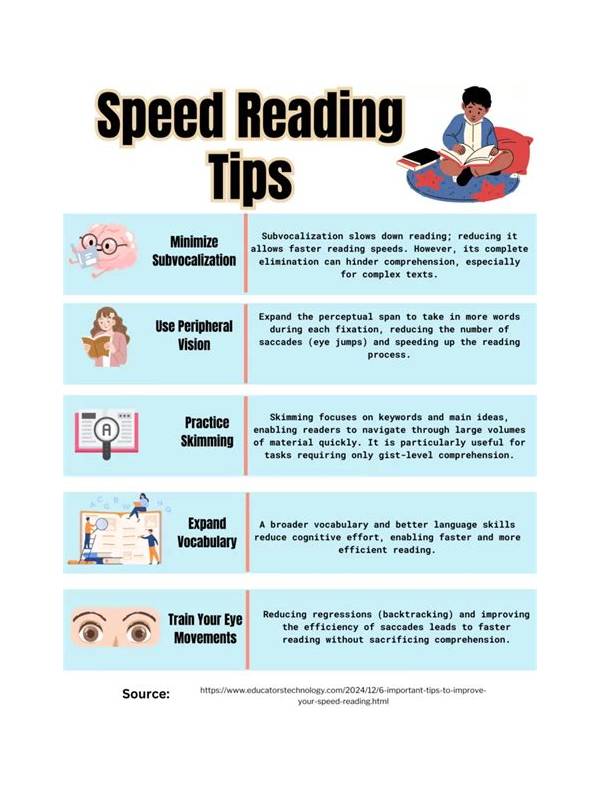
Rummy Comparison: Speed of Reading Versus Speed of Acting
Separating reading speed from action speed helps players become faster without becoming careless. [...]
Rummy Guide: Build a Discard Ladder From Safe to Risky
A discard ladder ranks loose cards by both personal weakness and possible value to the [...]