Rummy Guide: Build a Discard Ladder From Safe to Risky
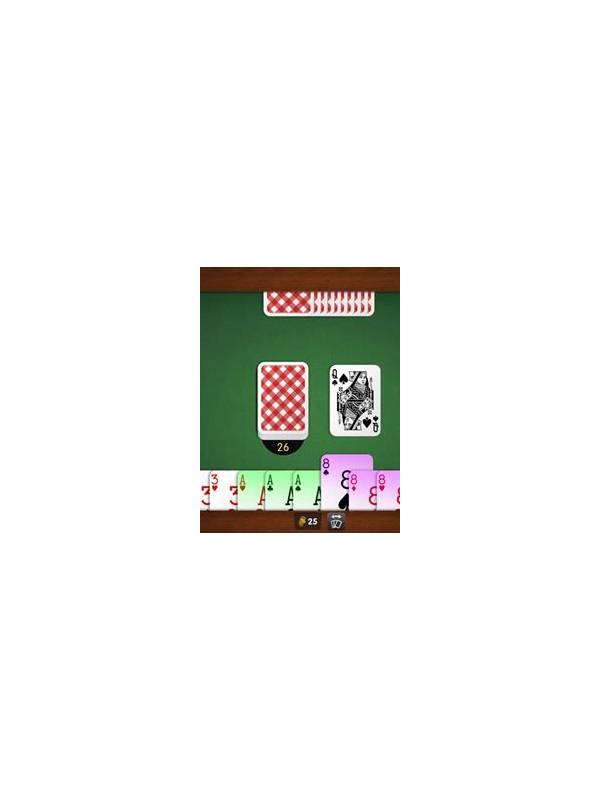
Choosing a discard becomes easier when you create a ladder instead of searching for one perfect answer. The ladder begins with cards that are weak in your hand and unlikely to help an opponent, then moves toward cards that are more useful, more expensive, or more central to your plan.
Place each loose card in one of three levels. Level one contains genuine orphans: cards with no nearby sequence, no matching rank, and no role in a required group. Level two contains conditional cards: they fit one narrow route or could become useful after a particular draw. Level three contains connectors and cards that are clearly valuable to you or visibly attractive to another player.
Now add the penalty lens. A high-value orphan may rise toward the top of the discard ladder because keeping it is costly. A low-value connector may remain lower because it preserves several routes. This is why rank value alone is not a sufficient discard rule. Your ladder should reflect both the cost of holding and the value of future use.
Update the ladder after every meaningful draw. A card can move from level one to level two when a neighbor appears, or from level two to level three when it becomes part of a nearly complete route. Conversely, abandoning a plan should move its cards downward immediately. Emotional attachment to a former plan is a common source of clutter.
Use table evidence as a tie-breaker. If two cards are equally weak for you, prefer the one with fewer visible connections to an opponent’s recent pickups. Keep the evidence modest: one clue should adjust a choice, not dominate it. If your own hand is in danger of missing a required group, personal improvement usually matters more than a guess about another hand.
A discard ladder is a practice tool, not a rigid formula. It gives you a repeatable starting point when the turn clock is short. After a round, check whether your ladder changes would have made the hand simpler. With repetition, you will sort cards by role quickly and make discards that are deliberate, explainable, and easier to review.
Do not confuse a low-risk discard with a guaranteed safe discard. Hidden hands are unknown, and a player may change direction. The ladder simply orders uncertainty. If a card moves upward because of new evidence, accept the update without treating the earlier choice as a failure. Good decisions use what was visible at the time and remain willing to revise the ranking.
Related Post
Rummy Comparison: Short Sequences Versus Long Sequences
Short and long sequences offer different kinds of flexibility, so compare completion speed with the [...]
Rummy How-To: Sort Your Hand for Faster Decisions
A simple sorting routine can make useful combinations easier to see without forcing a rushed [...]