Rummy Tips: Treat Middle Cards as Conditional Assets
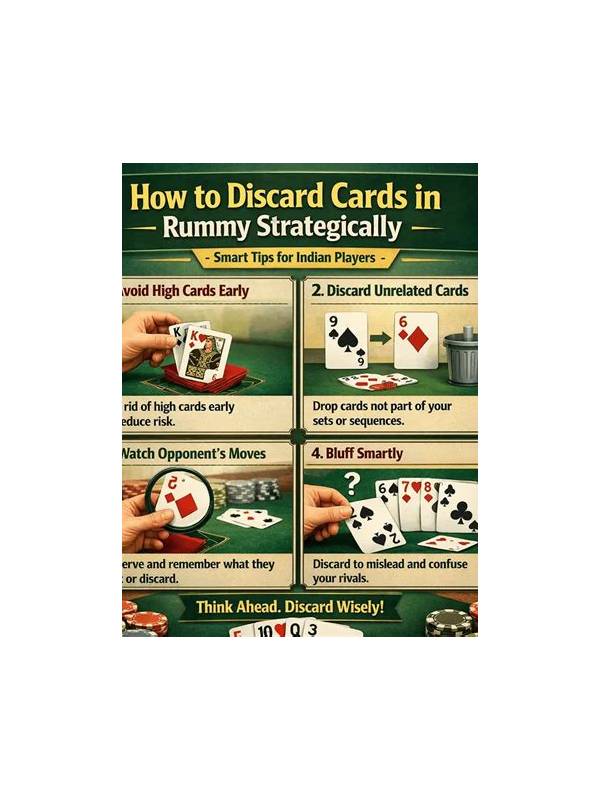
Middle cards are often praised for their flexibility because they can connect in more directions than edge cards. That potential is useful, but it is conditional. A middle card without matching support is still an isolated card, and keeping it simply because it feels flexible can delay a necessary cleanup.
Inspect the card’s immediate neighbours first. Does your hand contain one of them, or do you have another card that could create a two-sided route? If yes, the middle card may be a sensible temporary hold. If not, count the exact cards that would make it useful and check whether visible discards have reduced those options.
Then compare its alternative roles. A middle card may join a set, support a second sequence, or preserve a backup route. These roles add value only when they are plausible. Do not count a role that requires breaking a stronger completed group or drawing several precise cards.
Consider the timing. Early in a hand, a low-cost middle card can justify a short wait while you gather information. Later, the same card may need to be released if it has not gained support. Set a deadline before holding it. A deadline protects flexibility from turning into inertia.
Finally, compare it with the best available discard. The right question is not whether the middle card is “good,” but whether it is better than the alternatives now. Keep it when it supports a realistic route at manageable cost. Release it when it is merely a symbol of possibility. Conditional value is still value, but it must be reviewed.
Middle cards can also distort visual judgement because they make a hand look closer to completion than it really is. Count completed groups separately from partial connections. A hand with several attractive middle cards may still have no finished foundation. Protect the structure that is already legal before giving every promising card equal status.
When a middle card has two possible uses, decide which use has priority. If you keep it for both without a review condition, you may postpone every discard. Choose the route with broader support, note the alternative, and revisit it when new information arrives. Clear priority turns flexibility into an actionable advantage.
If the card remains unsupported after the review point, treat that result as information rather than failure. Release it, record why, and focus on the route that survives. This habit prevents the attractive potential of middle cards from becoming a permanent excuse to delay simplification.
Related Post
Rummy FAQ: Does a Discard Reveal More Than You Intend?
Understand what an opponent may infer from your discard and how to avoid giving unnecessary [...]
Rummy Variants: Build a Rule Card Before Switching Tables
A compact rule card prevents familiar habits from causing mistakes in a new rummy variant. [...]