Rummy FAQ: Why Do Isolated Cards Matter So Much?
An isolated card has no immediate partner in the current hand. It may later become useful, but until then it occupies a slot that could hold a stronger connection. This is why isolated cards matter even when their face value is low. The issue is not just points; it is the opportunity cost of keeping a card that contributes little to the hand’s shape.
Evaluate an isolated card on three dimensions. First, how many cards could naturally connect with it? A middle card may have several sequence neighbours, while an edge card has fewer. Second, can it join a set? If matching cards are already visible or the route is crowded, that possibility should be discounted. Third, does keeping it block a useful rearrangement of the rest of the hand?
Low cards are not automatically safe. A low isolated card may be easy to discard, but it can still prevent you from using a more flexible card in a better group. Likewise, a high card is not always the first discard if it is one step from an essential sequence. Compare contribution and risk instead of following a fixed ranking.
The best time to release an isolated card depends on alternatives. If a developing pair needs the same space and has several possible improvements, the isolated card is a strong release candidate. If all other cards are competing for one exact draw, retaining a flexible isolated card for another turn may be reasonable. Make the decision in the context of the complete hand.
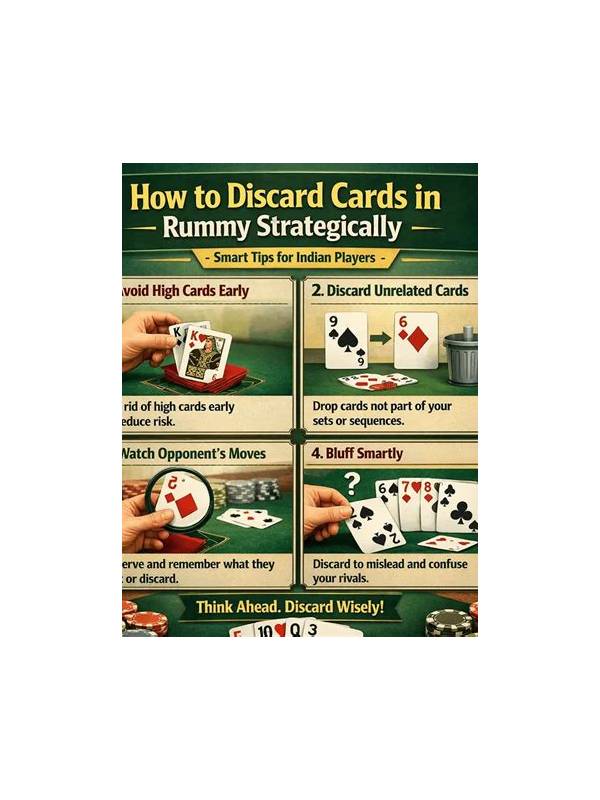
A useful habit is to mark isolated cards after each draw and ask whether their status changed. If they remain isolated through multiple turns, stop describing them as temporary. They are now evidence that the current plan is not working. Releasing them can feel like giving up, but it often creates the room needed for a more practical route. Another cost is information. Holding an isolated card may encourage you to chase its potential and ignore what other players reveal. If the card has no connection after new information appears, its supposed future value should fall. Treat changing evidence as permission to update the discard list rather than as criticism of the original choice.
An isolated card can occasionally be a useful waiting card when it is flexible and cheap. The important distinction is intentional waiting. Write down what improvement you are waiting for and when you will review the choice. If you cannot state either, the card is probably being kept from habit. A review point turns patience into a plan and prevents indefinite attachment.
Related Post
Rummy How-To: Review a Hand Without Changing Its History
A disciplined review separates the decision available then from information discovered only afterward. [...]
Rummy Guide: Read the Open Pile Without Overreacting
Use the open pile as evidence while avoiding exaggerated conclusions from one visible choice. [...]