Rummy Tips: Make the Next Turn Easier Before You End This One
The end of one turn shapes the beginning of the next. Before you move on, spend a few seconds making the next decision easier. This is not a demand to analyze the entire hand. It is a compact preparation routine.
First, note what changed. Identify the card drawn, the card discarded, and the group that gained or lost value. Do not describe the turn only as good or bad. A neutral description preserves the information you will need when the next card appears.
Second, name the current need. It may be a neighbor for an open sequence, a matching rank for a set, or a way to reduce point exposure. If no clear need exists, say that the hand is still exploratory. Honest uncertainty is more useful than inventing a target merely to feel organized.
Third, choose a provisional exit. Which card would become the first discard candidate if the next draw were unhelpful? The candidate can change, but naming it now prevents a poor draw from creating instant panic. Check that the candidate is not secretly supporting your only valid group.
Fourth, set a review trigger. This might be the next draw, the completion of another group, or a visible change in the discard pile. When the trigger occurs, revisit the plan. A trigger gives waiting a boundary and stops it from becoming automatic hope.
Finally, leave the interface ready for the next action. Confirm that the selected card is correct, keep private notifications hidden, and pause if the connection or screen is unclear. Small technical checks protect decision quality as much as strategy does.
This routine takes less time than a full review and creates a useful bridge between turns. Change, need, exit, trigger, and interface: five short prompts that keep the hand readable. Over time, the habit can make difficult turns calmer because the next decision already has a starting point. This routine takes less time than a full review and creates a useful bridge between turns. Change, need, exit, trigger, and interface: five short prompts that keep the hand readable. Over time, the habit can make difficult turns calmer because the next decision already has a starting point.
You can adapt the prompts to different formats, but keep the order recognizable. The habit is most useful when it remains available under pressure. It turns the transition between turns into a small act of preparation, allowing you to begin the next decision with context instead of reacting only to the newest card.
Related Post
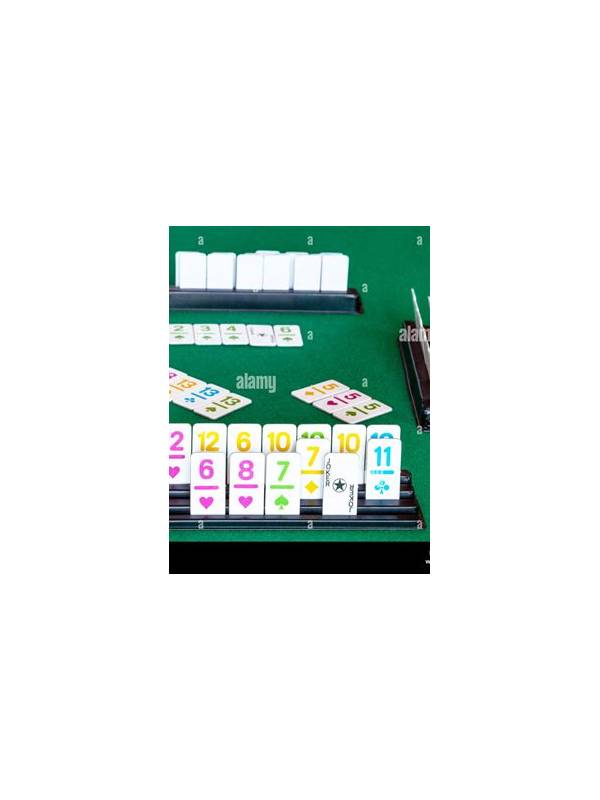
How to Match Your Rummy Pace to the Table
Adjust your pace without copying opponents by using the hand stage, visible signals, and your [...]
Rummy Safety: Protect Personal Data While Playing on Mobile
Simple privacy habits can reduce exposure when a card-game app asks for access or account [...]