Rummy Guide: Read the Discard Pile as a Story
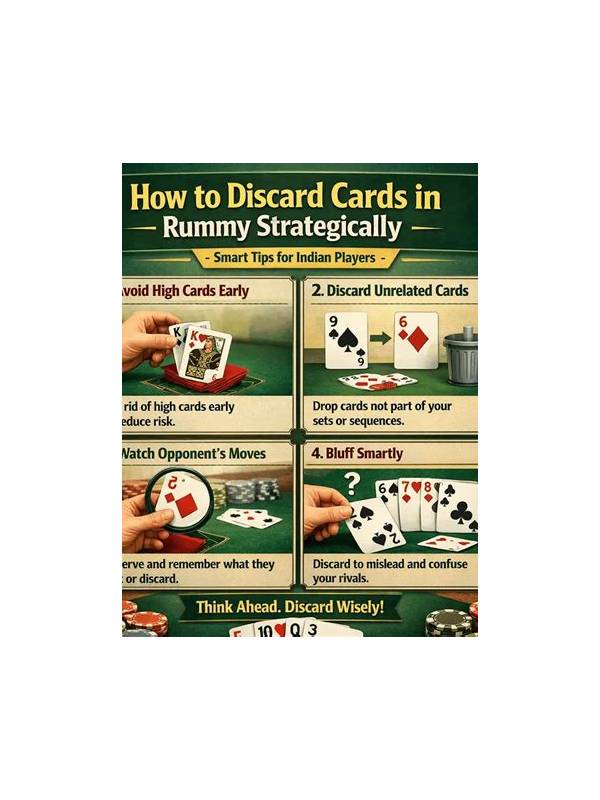
The discard pile is more than a place where unwanted cards disappear. It is a small record of decisions made during the hand. Reading it as a story can improve your choices, provided you treat the evidence as incomplete rather than certain.
Start with the newest cards. Ask what each discard might have failed to support. A player who repeatedly releases cards from the same suit may be reducing a color-based plan, but that does not prove they need a different suit. They could simply be protecting a pair, responding to a draw, or following a rule that you cannot see. The useful question is not “What are they holding?” but “Which possibilities became less likely?”
Next, watch for invitations. A discarded card that would complete an obvious sequence for you may be safe to take, or it may be bait. Compare it with the earlier pile. If several connected cards have appeared, the card may have lost some value because its neighbors are no longer available. If the pile is quiet around that rank, taking it may create a genuine opportunity. Always check the rules of the format before assuming a discard can be selected.
Keep a three-column mental note: card, possible meaning, confidence. For example, “nine of hearts, perhaps released from a heart run, low confidence.” This prevents one interesting discard from dominating your whole plan. Confidence should rise only when separate clues agree, such as repeated releases from a suit combined with a player declining a related card.
The discard pile also helps with your own hand. If a card you are waiting for appears, remove that plan immediately. Do not keep valuing a combination as though the missing card were still available. If a useful connector is discarded, reconsider whether two partial groups can now be joined. The pile changes the shape of your options every turn.
Finally, avoid collecting information for its own sake. Before drawing, state the decision the pile might influence: keep a pair, abandon a sequence, or lower the value of a high card. After the draw, compare the result with your expectation. Over time, this turns observation into a repeatable skill instead of a stream of guesses. You can practice this away from a live table by taking a sample discard sequence and writing two possible explanations for it. Then list what additional card would distinguish those explanations. This trains conditional observation and reminds you that the pile supplies clues, not certainty. Keep the exercise focused on decisions you can make, such as whether to draw, hold, or release a card.
Related Post
Rummy Safety: Check a Session Receipt Before Closing
A brief end-of-session receipt check can catch unexpected entries without encouraging repeated or emotional account [...]
Rummy Comparison: Short Breaks Versus One Long Review
Short reviews after several rounds and one longer weekly review serve different learning needs. [...]