Rummy Tips: Protect a Useful Connector
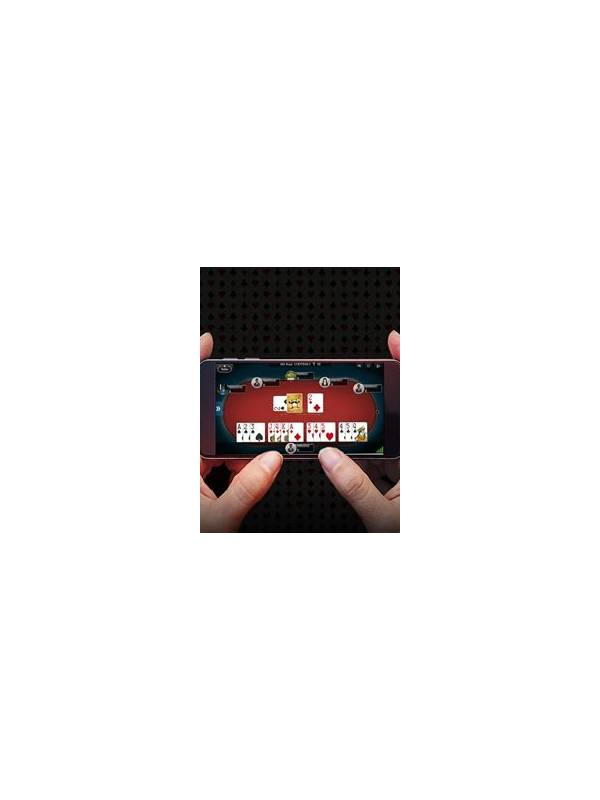
A connector is a card that links neighboring possibilities, such as a middle rank that can join a sequence on either side. Connectors are valuable because they preserve options, but they can also become excuses for holding cards without a plan. Protect one when its routes are real, not merely imaginable.
First, count the routes. A connector with two credible neighboring completions is more useful than one whose only route depends on a card already visible in the discard pile. Check whether the relevant suits or ranks remain plausible. The word “could” is not enough; look for evidence that the route can still happen.
Next, examine the rest of the hand. A connector is strongest when it complements a stable meld and does not require you to dismantle your foundation. If protecting it forces you to keep several unrelated cards, its flexibility may be overstated. One versatile card cannot rescue a hand filled with liabilities.
Use a deadline. After a few turns without improvement, reassess the connector’s routes. A new discard may close one side, or your hand may gain a better structure elsewhere. Keeping a deadline prevents early potential from becoming late attachment.
Also consider what you reveal. Taking a visible neighbor may show that the connector matters, while drawing from the stock preserves privacy but provides less certainty. Choose based on the value of the improvement and the number of turns left, not on secrecy alone.
The practical rule is to protect the connector while it preserves at least one strong route and one reasonable backup. Once both routes weaken, release it cleanly. Flexibility is a temporary advantage that should earn its place at every review.
Do not confuse a connector with a special card that must be protected at all costs. Its value comes from the routes around it, not from its rank or position. If a new natural meld appears, compare that certainty with the connector’s remaining possibilities. A connector that supports the best current arrangement is useful; a connector retained only because it once looked promising is simply a delayed discard.
Make the review concrete by pointing to the next two cards that would help. If you cannot name them, downgrade the connector and reconsider the discard.
Specific targets keep flexibility from becoming wishful thinking.
They also give you a fair basis for deciding when the connector has finished earning its place.
Review the evidence again whenever the table changes.
Related Post
Rummy Table Pace: Choosing a Speed You Can Manage
Learn how to choose a comfortable table pace and protect decision quality during online rummy [...]
Rummy Comparison: Short Review Loops Versus Long Reviews
Short review loops suit live decisions, while long reviews are better for studying patterns after [...]