Rummy FAQ: Should You Keep a Pair or a Connector?
Keeping a pair or a connector is a common rummy decision, and there is no universal answer. The better choice depends on how many useful completions remain, how costly the cards are if stranded, and how well each option fits the rest of your hand.
A pair gives you a direct set possibility. If you hold two cards of the same rank, one matching rank can complete that group, subject to the format’s rules. A connector gives you a sequence possibility. Two cards in the same suit may need one of several ranks, especially if they sit beside each other. Count the actual useful cards rather than relying on the visual appeal of the arrangement.
Then examine direction. A middle connector often has two possible sequence directions, while an edge card may have only one. A pair is usually more stable when the rank is common in your remaining possibilities, but it can become crowded if you already have several cards of that rank competing for the same completion. Flexibility is about distinct routes, not simply the number of cards you are holding.
Penalty matters too. If the hand ends before the group is complete, a high-value stranded pair can hurt more than a low-value connector. That does not mean you should always keep low cards. It means the cost of waiting belongs in the comparison. Consider whether either card can be discarded later without revealing or harming a stronger plan.
Timing changes the answer. Early in a hand, keeping both options may be reasonable while you gather information. Later, holding both can leave too many loose cards and force rushed discards. Set a reassessment point: after the next draw, after a key card appears in the discard pile, or when your hand needs space for a new card.
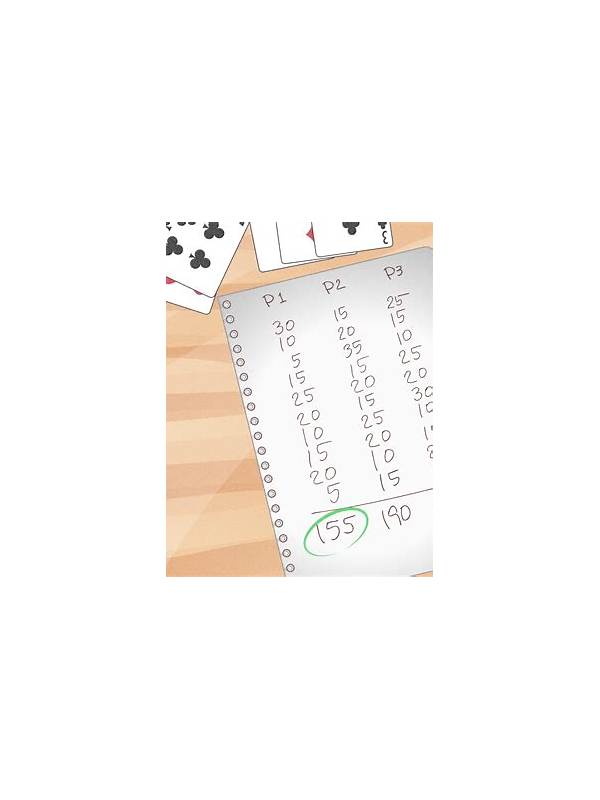
Use a simple scorecard: number of distinct completions, quality of backup routes, penalty if stranded, and compatibility with existing groups. You need not calculate exact probabilities. A quick high, medium, or low mark can expose which option is supported by evidence and which is being kept from habit.
Most importantly, do not let the question become a permanent argument between pair and connector. Keep the option that improves the whole hand. If the pair blocks a near-complete sequence, release it. If the connector depends on one unavailable card while the pair has several live completions, choose the pair. The best decision is the one that leaves a clearer next turn.
Related Post

Rummy FAQ: Why Does a Low Card Still Need a Job?
Low point value reduces cost, but it does not make an unconnected rummy card strategically [...]
Rummy Safety: What to Do When Chat Becomes Pressuring
Recognize manipulative game chat and protect your privacy and decisions with a simple response plan. [...]