Rummy Comparison: Short Sessions or Long Sessions?
Session length changes the quality of decisions. A short session may preserve concentration and make review easier, while a long session offers more hands but can increase fatigue and impulsive choices. The better option depends on your purpose and limits.
Short sessions are useful for learning one skill. You can focus on discards, grouping, or rule recognition without mixing too many goals. They also make it easier to stop at a planned point. If you are tired, distracted, or emotionally unsettled, a short practice hand or no play may be the safest choice.
Long sessions can provide more varied examples, but their value declines when attention drops. Players may begin sorting automatically, chase losses, or forget the original learning goal. A long session should therefore include scheduled breaks and a clear end time. More hands do not automatically mean more improvement.
Compare the formats using four questions. How long can you concentrate? What is the session budget? Will you review the hands afterward? Can you stop without extending the limit after a disappointing result? If the answer to the last question is uncertain, choose the shorter, lower-risk option or practice without stakes.
A useful compromise is a fixed block followed by review. Play for a predetermined period, stop even if a hand is unfinished, and write one observation. Do not extend the block because the next deal might repair the result. The next session can begin with the lesson rather than with an attempt to recover.
The comparison is about control, not endurance. Choose the length that keeps decisions deliberate, information memorable, and spending predictable. A session that ends calmly is a valuable outcome even when the cards were unkind.
Your ideal length may also change by purpose. A review session can be short because it focuses on notes, while a social game may include more breaks and conversation. Keep social pressure separate from financial pressure: you can leave politely when your limit is reached. If a session regularly runs beyond its boundary, shorten the next one and make the stopping time visible before you begin.
Use a timer that is independent of the table when possible. Platform reminders may arrive late or may encourage another round. When the alarm sounds, finish only the permitted action, record the state if needed, and close the session. This creates a reliable boundary that does not depend on the latest result.
Breaks should be real breaks: stand up, look away from the screen, and do something unrelated for a few minutes. Continuing to watch every table during a “break” does not restore attention. If you return still tired, end the session instead.
Related Post
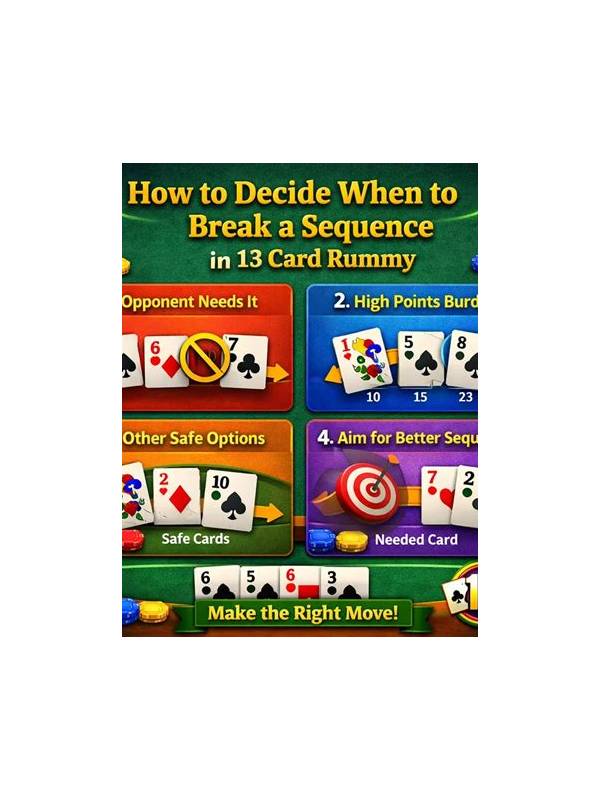
Rummy FAQ: When Should You Break a Pair?
Breaking a pair is sensible when its alternatives are weaker than the value of a [...]
Rummy How-To: Separate Rule Errors From Strategy Errors
Distinguishing a rules mistake from a strategic mistake leads to more accurate rummy practice. [...]