Rummy Practice: Train the First Two Turns

The first two turns contain useful practice because they force you to read a new hand before much information is available. You can rehearse this skill with a standard deck, a practice mode, or a written set of cards. The purpose is to improve reasoning, not to predict a guaranteed result.
Deal a legal opening hand according to the format you are studying. Sort it by suit and rank, then identify completed groups, near groups, and isolated cards. Before drawing, name two possible plans and one card that you would probably release. This creates a baseline for comparison.
On the first turn, simulate or take a draw. Re-sort the hand and explain what changed. Did the new card complete a group, create a connector, or simply increase clutter? Choose a discard using a rule such as lowest flexibility adjusted for points. Record the reason in one sentence.
On the second turn, add another draw and repeat. Do not judge the first choice only by whether the next card would have helped. Ask whether the choice kept a reasonable exit and protected you from a costly unmatched card. This trains process quality under uncertainty.
Use several short drills rather than one long practice session. Change the opening hands so you see balanced, pair-heavy, and high-card-heavy situations. After five drills, compare recurring errors: keeping narrow pairs too long, ignoring points, or failing to check declaration requirements.
Stop if the exercise becomes frustrating. The benefit comes from clear observation, not volume. A ten-minute drill that produces one specific lesson can be more useful than hours of automatic play. Keep the practice free or within the limits you chose beforehand, and carry only the lesson into your next session.
To make the drill measurable, score the process rather than the outcome. Give yourself one mark for identifying a completed group, one for naming a realistic open plan, and one for explaining the discard. A lucky draw should not add points, and an unlucky draw should not erase them. After several rounds, the score shows whether your reading routine is becoming more consistent.
Change only one variable at a time when practicing. If you train grouping and discard speed in the same drill, it may be difficult to know which skill improved. Keep a brief note of the opening pattern and the lesson. The notes can become a small library of situations to revisit without requiring real-money play.
Related Post
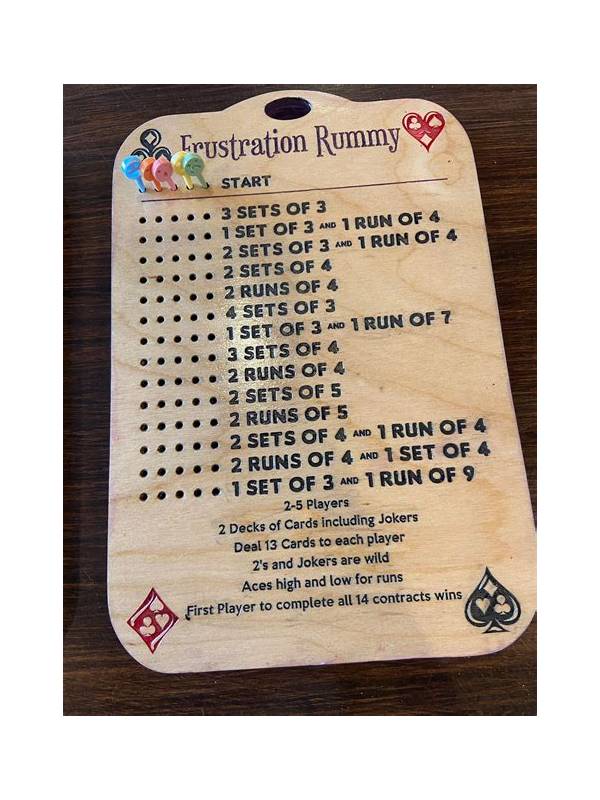
Rummy Guide: Use a Decision Window for Uncertain Cards
A decision window gives uncertain cards a fair trial while preventing them from occupying a [...]
Rummy Tips: Compare Cards by Replacement Difficulty
Replacement difficulty helps identify which card is costly to lose when several discard candidates appear [...]